What Science Says About Healing Your Hair—And Why It Works
Hair loss and damage affect millions, often leading to frustration and self-doubt. But what if healing your hair wasn’t about expensive products, but science-backed habits? I tried proven methods—scalp care, nutrient support, and stress control—and saw real improvement. This isn’t magic; it’s biology. Let’s explore how the body repairs hair naturally and what you can do to support it safely and effectively.
The Hidden Crisis: Why So Many Struggle with Hair Health
Hair concerns are more than cosmetic—they reflect a widespread, often silent struggle. Millions of people experience thinning hair, increased breakage, or slower growth, especially as they age. These changes are not limited to any one gender or age group, but are particularly common among women over 30, where hormonal shifts, lifestyle stress, and nutritional demands begin to take a visible toll. The emotional weight of these changes can be significant. Many report feeling less confident, avoiding photos, or spending excessive time and money trying to mask the signs. The social pressure to maintain youthful, full hair only deepens the sense of personal failure when changes occur.
Yet, much of the suffering stems from misunderstanding. A common misconception is that hair health is predetermined by genetics alone. While heredity plays a role, it is not the sole factor, nor is it an unchangeable fate. Another widespread myth is that a single shampoo, serum, or miracle treatment can reverse damage overnight. The reality is far more complex. Hair is a dynamic tissue influenced by internal and external forces, and its condition often signals deeper imbalances. The pursuit of quick fixes often leads to disappointment, wasted resources, and even further damage from harsh chemicals or overprocessing.
The truth is that hair health is not a luxury or a vanity project—it is a reflection of overall well-being. When approached with knowledge and consistency, improvement is possible. Recognizing that hair issues are both common and multifactorial is the first step toward meaningful change. Rather than blaming oneself or surrendering to fate, individuals can begin to view hair recovery as a process rooted in self-care, informed choices, and biological support. This shift in perspective transforms the journey from one of frustration to one of empowerment.
Hair as a Mirror: What Your Strands Reveal About Health
Hair is more than a style statement—it is a biological barometer. The condition of your hair can reveal important clues about your internal health, including nutritional status, hormonal balance, and stress levels. Just as a doctor might examine skin or nails, hair can offer insight into systemic function. For example, sudden shedding may signal a recent illness, surgery, or significant emotional stress. Dull, brittle strands can point to deficiencies in protein, iron, or essential fatty acids. Slow growth or weak texture may reflect thyroid imbalances or chronic inflammation.
To understand how hair reflects health, it helps to know the hair growth cycle. Each strand goes through three distinct phases: anagen, catagen, and telogen. The anagen phase is the active growth stage, lasting two to seven years, during which cells in the hair follicle divide rapidly. About 85 to 90 percent of scalp hairs are typically in this phase at any given time. The catagen phase is a short transitional period, lasting about two to three weeks, when growth stops and the follicle shrinks. Finally, the telogen phase is the resting stage, lasting around three months, after which the hair sheds naturally to make way for new growth.
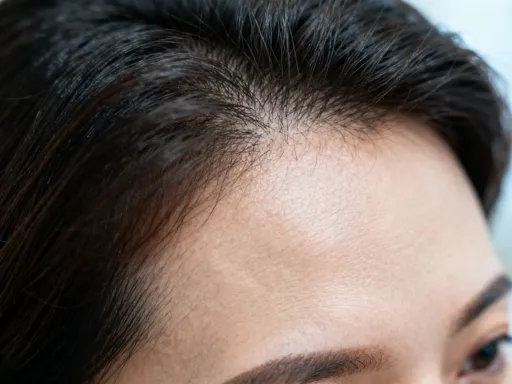
Temporary shedding, known as telogen effluvium, occurs when a shock to the system—such as childbirth, illness, or extreme dieting—pushes a larger-than-normal number of hairs into the telogen phase simultaneously. This type of shedding is usually reversible once the trigger is resolved. In contrast, chronic hair thinning, such as androgenetic alopecia, involves a gradual miniaturization of follicles and a shortened anagen phase. Distinguishing between temporary and chronic conditions is crucial, as the approach to care differs significantly. Recognizing that hair changes are often symptoms, not the root problem, allows for more targeted and effective support.
Science of Repair: How Hair Recovers at the Biological Level
Healing hair is not about surface-level fixes—it is a biological process driven by cellular activity beneath the skin. At the core of hair regeneration are the dermal papilla cells, located at the base of each follicle. These specialized cells regulate the hair growth cycle by sending signals that activate stem cells in the follicle. When functioning properly, they initiate the anagen phase and support the production of new hair fibers. Research shows that the health and activity of these cells are influenced by factors such as nutrient availability, hormonal balance, and blood flow.
Blood circulation to the scalp plays a vital role in this process. The dermal papilla receives oxygen and nutrients through tiny blood vessels, which deliver the building blocks needed for keratin synthesis and cell division. Improved microcirculation has been associated with longer anagen phases and thicker hair shafts. Studies using laser Doppler imaging have demonstrated that interventions like scalp massage can increase blood flow, potentially enhancing follicle function. While more research is needed, the evidence suggests that supporting circulation is a scientifically sound strategy for promoting hair recovery.
Another key concept is the idea of “dormant” follicles—those that have stopped producing visible hair but are not permanently dead. In many cases of non-scarring hair loss, follicles remain viable and capable of reactivation. This is different from scarring alopecias, where follicles are destroyed and replaced with fibrous tissue. The potential for regrowth in dormant follicles underscores the importance of early and consistent intervention. By creating an optimal environment—through nutrition, reduced inflammation, and mechanical stimulation—it may be possible to awaken these follicles and restore natural growth patterns. This biological perspective shifts the focus from concealment to restoration.
Root Causes: What Really Damages Hair (Beyond Shampoo Choices)
While hair care routines matter, they are only one piece of a much larger puzzle. The true drivers of hair damage often lie beneath the surface. Hormonal imbalances, particularly involving androgens, thyroid hormones, and cortisol, can profoundly affect the hair cycle. For example, elevated dihydrotestosterone (DHT) is linked to follicle miniaturization in genetically predisposed individuals. Hypothyroidism can slow metabolism and extend the telogen phase, leading to increased shedding. Chronic stress, through sustained high cortisol levels, can disrupt hormone balance and impair immune function, further contributing to hair loss.
Nutritional gaps are another major contributor. Hair is primarily made of keratin, a protein that requires a steady supply of amino acids. Inadequate protein intake can lead to weak, brittle strands. Iron deficiency, especially in premenopausal women, is strongly associated with hair shedding due to its role in oxygen transport and cellular energy. Zinc supports immune function and cell division, both critical for follicle health. Biotin, though often overhyped, does play a role in fatty acid synthesis and gene regulation within the follicle. Vitamin D receptors are present in hair follicles, and low levels have been linked to alopecia areata and other forms of hair loss.
Environmental and lifestyle factors also take a toll. Exposure to air pollution can generate oxidative stress on the scalp, damaging follicles over time. Repeated heat styling, tight hairstyles, and chemical treatments cause mechanical and structural damage to the hair shaft. UV radiation from the sun can degrade proteins in the cuticle, leading to dryness and breakage. Even seemingly minor habits, like sleeping on rough pillowcases or brushing wet hair aggressively, contribute to cumulative stress. Addressing these root causes requires a holistic view—one that goes beyond topical products to include diet, stress management, and environmental protection.
Rebuilding Stronger: Proven Habits That Support Hair Recovery
Supporting hair recovery is not about drastic changes, but consistent, science-informed habits. One of the most accessible and effective practices is scalp massage. Daily massage for just five to ten minutes has been shown in small studies to increase hair thickness, likely by stimulating blood flow and reducing stress hormones. Techniques vary, but gentle circular motions with the fingertips—using minimal pressure—are sufficient. Some people incorporate essential oils like rosemary or peppermint, though the evidence for their efficacy is limited. The ritual itself, however, can be calming, which indirectly supports hair health by lowering cortisol levels.
Sleep quality is another cornerstone of recovery. During deep sleep, the body repairs tissues, balances hormones, and regenerates cells—including those in hair follicles. Disruptions to the circadian rhythm, such as irregular sleep patterns or chronic insomnia, can interfere with melatonin production, a hormone that may protect follicles from oxidative stress. Aim for seven to nine hours of restful sleep per night, and maintain a consistent bedtime routine. Reducing screen time before bed, keeping the bedroom cool and dark, and avoiding caffeine in the afternoon can all improve sleep quality and, by extension, hair health.
Gentle handling of hair is equally important. Wet hair is more elastic and prone to breakage, so it should be detangled with a wide-tooth comb, starting from the ends. Avoid tight ponytails, braids, or buns that pull on the scalp, as these can lead to traction alopecia over time. Protective styles, when done correctly, can minimize manipulation and environmental damage, but they should not involve excessive tension. Using silk or satin pillowcases reduces friction during sleep, helping to prevent split ends and breakage. These small adjustments, when practiced consistently, reduce mechanical stress and preserve hair integrity.
Fueling Growth: Nutrition’s Role in Hair Structure and Resilience
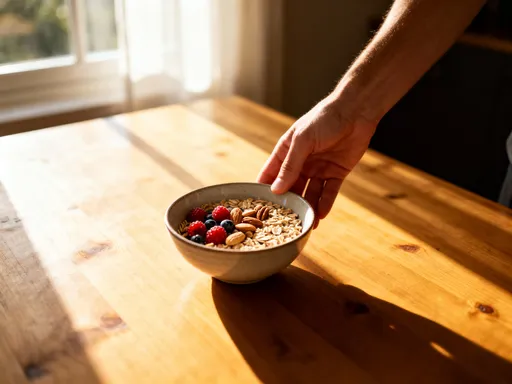
Nutrition is the foundation of strong, resilient hair. Since hair is made of protein, adequate dietary protein is essential. Good sources include lean meats, poultry, fish, eggs, legumes, and dairy. For those following plant-based diets, combining complementary proteins—such as beans and rice—ensures a complete amino acid profile. Iron from animal sources (heme iron) is more easily absorbed than plant-based iron, but pairing non-heme iron with vitamin C-rich foods like citrus or bell peppers can enhance absorption.
Zinc, found in shellfish, seeds, nuts, and whole grains, supports immune function and DNA synthesis in rapidly dividing follicle cells. Biotin, present in eggs, almonds, and sweet potatoes, is involved in fatty acid metabolism and may support keratin infrastructure, though supplementation is only beneficial for those with a deficiency. Vitamin D, synthesized through sun exposure and found in fatty fish and fortified foods, plays a role in follicle cycling. Omega-3 fatty acids, abundant in fatty fish, flaxseeds, and walnuts, help maintain scalp hydration and reduce inflammation.
While supplements are widely marketed, they should not replace a balanced diet. Research indicates that most people do not need hair-specific supplements unless a deficiency is confirmed through blood testing. Excessive intake of certain nutrients, such as selenium or vitamin A, can actually contribute to hair loss. Whole foods provide nutrients in balanced, bioavailable forms, along with fiber, antioxidants, and other co-factors that support overall health. Hydration is also critical—water makes up a significant portion of the hair shaft, and chronic dehydration can lead to dryness and brittleness. Drinking adequate water throughout the day supports both internal and external hair health.
When to Seek Help: Knowing the Line Between Care and Medical Need
While many hair concerns can be addressed through lifestyle changes, some signs indicate the need for professional evaluation. Sudden or patchy hair loss, rapid thinning, scalp redness or scaling, and changes in hair texture should not be ignored. These symptoms may point to underlying medical conditions such as thyroid disorders, polycystic ovary syndrome (PCOS), autoimmune diseases like alopecia areata, or nutritional deficiencies. Self-diagnosis and unguided treatment can delay proper care and worsen outcomes.
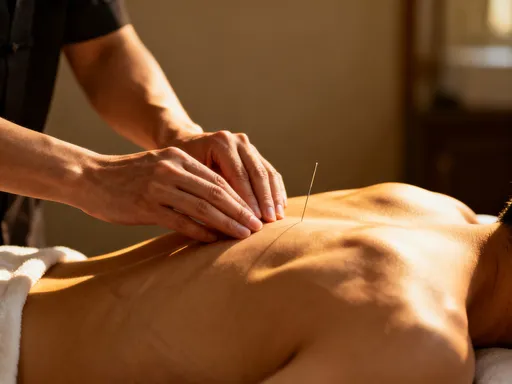
Seeing a dermatologist or trichologist—a specialist in hair and scalp disorders—ensures an accurate diagnosis. These professionals may perform blood tests to check hormone levels, iron stores, thyroid function, and other markers. They can distinguish between types of hair loss and recommend appropriate treatments, which may include topical minoxidil, prescription medications, or in-office therapies like platelet-rich plasma (PRP) injections. Early intervention often leads to better results, especially when the condition is reversible.
It is also important to approach over-the-counter products with caution. The hair care market is largely unregulated, and many products make claims not supported by scientific evidence. A healthcare provider can help navigate this landscape and recommend safe, effective options. Seeking help is not a sign of failure—it is a responsible step toward long-term health. Professional guidance complements self-care, creating a comprehensive approach that honors both science and individual needs.
Conclusion: Patience, Science, and Self-Care—The Real Path to Healthier Hair
Healing hair is not about chasing perfection, but about restoring balance. The body has an innate capacity to repair and regenerate, but it requires the right conditions and time to do so. Quick fixes may offer temporary illusions, but lasting improvement comes from consistent, science-backed habits. Scalp care, proper nutrition, stress management, and gentle handling all contribute to a supportive environment for hair recovery. Understanding the biological processes behind growth empowers individuals to make informed choices, free from the pressure of unrealistic beauty standards.
Patience is essential. Hair grows slowly—about half an inch per month—and changes may take months to become visible. This delay can be discouraging, but it underscores the importance of consistency. Each healthy choice, whether it’s choosing a nutrient-rich meal, massaging the scalp, or getting enough sleep, is a vote for long-term well-being. Over time, these small actions accumulate into meaningful results.
Ultimately, caring for your hair is not an act of vanity. It is a form of self-respect—a way of honoring your body’s needs and listening to its signals. When approached with knowledge and compassion, hair recovery becomes part of a broader journey toward health and resilience. Science provides the roadmap, but it is daily commitment that transforms possibility into reality. By aligning care with biology, anyone can support their hair’s natural ability to heal—and thrive.