How I Made Mediterranean Eating Actually Work—Simple Swaps That Stick
Ever tried going Mediterranean but gave up because it felt too fancy or confusing? I’ve been there. It’s not about perfection—it’s about real, doable changes. After years of yo-yo diets, I found this way of eating actually fits life. No strict rules, just smarter choices. Science backs it for heart health, energy, and long-term wellness. Here’s how I simplified it—without the stress—and why it might be the most practical diet you’ll ever try.
The Mediterranean Myth: What Most People Get Wrong
Many people hear “Mediterranean diet” and picture endless plates of grilled fish, imported olives, and artisan bread dipped in expensive olive oil. While those foods do appear, the reality is far more grounded. The Mediterranean way of eating is not a strict meal plan or a trend invented by wellness influencers. It is a reflection of how people in regions like southern Italy, coastal Greece, and parts of Spain have traditionally eaten for generations—meals centered on seasonal produce, whole grains, legumes, and shared with family and friends.
One of the most common misconceptions is that this eating pattern is expensive or difficult to maintain. In truth, its foundation is made up of affordable, accessible ingredients like beans, lentils, seasonal vegetables, and whole grains. It does not require specialty products or elaborate preparation. Another myth is that it’s a one-size-fits-all approach. Regional variations exist: a typical meal in Crete might emphasize more vegetables and less fish than in coastal Sicily. The core is not uniformity, but a shared philosophy—eating mostly plants, using healthy fats, and enjoying meals mindfully.
The confusion often arises from how the term “diet” is used. In popular culture, “diet” implies restriction, rules, and temporary change. But the Mediterranean pattern is not about cutting out food groups or counting calories. It is about cultivating sustainable habits that support long-term well-being. This distinction is crucial. When approached as a lifestyle rather than a short-term fix, it becomes easier to adopt and maintain. Flexibility is built into the tradition—there is room for celebration, occasional treats, and cultural variations.
Additionally, the Mediterranean lifestyle includes more than food. It embraces physical activity, strong social connections, and a slower pace of life. Meals are not rushed but enjoyed, often in the company of others. This holistic view is often overlooked in modern interpretations that focus solely on food lists. Understanding this broader context helps shift the mindset from “following a diet” to “living a way of life.” It’s not about rigid compliance but about making consistent, positive choices that fit naturally into daily routines.
Why This Way of Eating Stands Out: The Science-Backed Benefits
What sets the Mediterranean eating pattern apart is not just its flavor or cultural richness, but the overwhelming body of scientific evidence supporting its health benefits. Numerous studies have shown that those who follow this way of eating tend to have lower rates of heart disease, stroke, and type 2 diabetes. One of the most significant pieces of research, the PREDIMED study, followed thousands of adults at high risk for cardiovascular disease. Results showed that those who followed a Mediterranean-style diet supplemented with extra virgin olive oil or nuts had a significantly lower risk of major cardiovascular events compared to those on a low-fat diet.
These benefits stem largely from the diet’s emphasis on whole, minimally processed foods. The abundance of vegetables, fruits, legumes, and whole grains provides a rich source of fiber, antioxidants, and essential nutrients. Fiber supports digestive health and helps regulate blood sugar levels, reducing spikes and crashes that can lead to fatigue and cravings. Antioxidants help combat oxidative stress, a factor linked to aging and chronic disease. Healthy fats, especially monounsaturated fats from olive oil and omega-3s from fatty fish and nuts, play a key role in reducing inflammation, which is now understood to be a root cause of many long-term health issues.
Another major advantage is its impact on brain health. Research has linked the Mediterranean diet to a slower rate of cognitive decline and a reduced risk of neurodegenerative conditions like Alzheimer’s disease. This is likely due to the combination of healthy fats, plant compounds, and nutrients that support blood flow and protect brain cells. For women over 40, in particular, this aspect can be especially meaningful, as maintaining mental clarity and focus becomes increasingly important with age.
Unlike many short-term diets that lead to quick weight loss followed by regain, the Mediterranean approach promotes gradual, sustainable changes. It does not eliminate entire food groups or require calorie counting, making it easier to stick with over time. Population studies consistently show that people in Mediterranean regions not only live longer but also enjoy a higher quality of life in their later years. This longevity is not due to a single “superfood” but to the cumulative effect of daily habits—eating real food, staying active, and nurturing relationships.
The Core Principles: What Actually Makes It Mediterranean
To truly embrace the Mediterranean way of eating, it helps to understand its foundational elements. At its core, this pattern is plant-forward, meaning that vegetables, fruits, whole grains, legumes, nuts, and seeds make up the majority of daily intake. These foods are not just side dishes but the centerpiece of meals. For example, a traditional Greek lunch might feature a large salad with tomatoes, cucumbers, olives, and feta, served alongside lentil soup and a slice of whole grain bread—a meal where plants clearly take the lead.
Healthy fats are another non-negotiable component. Extra virgin olive oil is the primary fat used for cooking, dressing, and drizzling. It replaces less healthy fats like butter, margarine, and processed vegetable oils. Nuts and seeds, such as almonds, walnuts, and flaxseeds, are eaten in moderation and provide both healthy fats and plant-based protein. Fatty fish like salmon, sardines, and mackerel are encouraged for their omega-3 content, typically eaten a few times a week.
Protein sources are balanced and varied. While fish and seafood are prominent, poultry and eggs are also included in moderate amounts. Dairy, such as yogurt and cheese, is consumed in small portions, often as part of a meal rather than a standalone snack. Red meat is not banned but is treated as an occasional addition, perhaps once a week or less, rather than a daily staple. This shift away from heavy meat consumption aligns with both health recommendations and environmental sustainability.
Equally important is what this way of eating leaves out. Highly processed foods, sugary snacks, refined grains, and sugary beverages are limited. There is no place for “junk food” disguised as healthy, such as packaged “mediterranean-style” meals loaded with sodium and preservatives. The focus is on whole, recognizable ingredients that you can picture growing in a garden or harvested from a tree. This emphasis on food quality ensures that meals are not only nutritious but also satisfying and flavorful.
Building Your Plate: A Practical Daily Framework
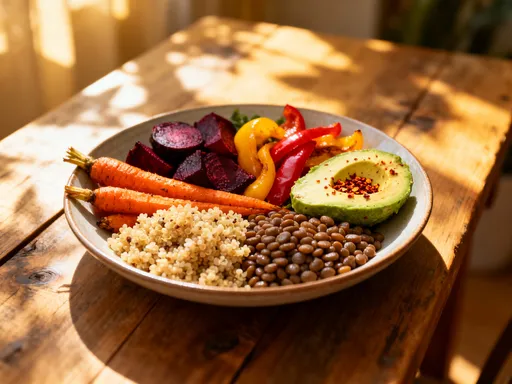
One of the most helpful tools for adopting the Mediterranean way of eating is a simple visual guide to meal composition. Think of your plate divided into sections: about 50 percent should be filled with vegetables and fruits, 25 percent with whole grains, and 25 percent with protein—mostly plant-based. This balance ensures a steady supply of fiber, vitamins, and energy-supporting nutrients without overloading on any single component.
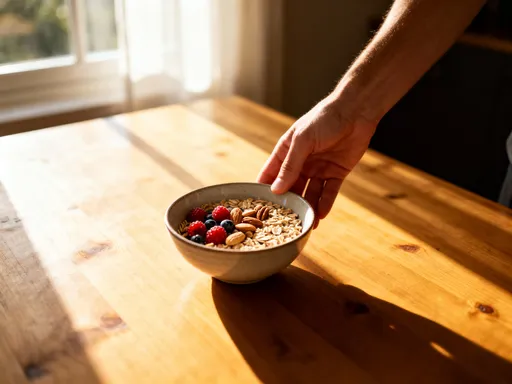
Breakfast can start with a bowl of plain Greek yogurt topped with fresh berries, a sprinkle of walnuts, and a drizzle of honey. This combination provides protein, healthy fats, and natural sweetness without refined sugar. Alternatively, a slice of whole grain toast with avocado and a poached egg offers sustained energy and satisfaction. The key is to avoid sugary cereals or pastries that lead to mid-morning crashes.
Lunch might include a hearty lentil salad with chopped tomatoes, cucumbers, red onion, parsley, and a dressing of olive oil and lemon juice. This meal is rich in fiber and plant protein, keeping you full and focused through the afternoon. If you prefer something warm, a bowl of minestrone soup with a side of whole grain bread and a small piece of cheese fits perfectly within the pattern. The flavors are bold and satisfying, relying on herbs and spices rather than salt or artificial seasonings.
Dinner can feature grilled fish, such as salmon or cod, served with a generous portion of roasted vegetables like zucchini, bell peppers, and eggplant, all tossed in olive oil and herbs. A small serving of quinoa or farro adds heartiness without heaviness. This meal takes less than 30 minutes to prepare and delivers a balance of nutrients that support recovery and rest. The use of simple, flavorful ingredients makes it easy to enjoy without feeling deprived.
Snacks are also part of the pattern but are chosen wisely. Instead of chips or candy, opt for a small handful of almonds, an apple with a few walnuts, or carrot sticks with hummus. These options provide lasting energy and help prevent overeating at meals. The emphasis is on whole foods that nourish the body and satisfy the taste buds.
Simple Swaps to Start Today (No Overhaul Needed)
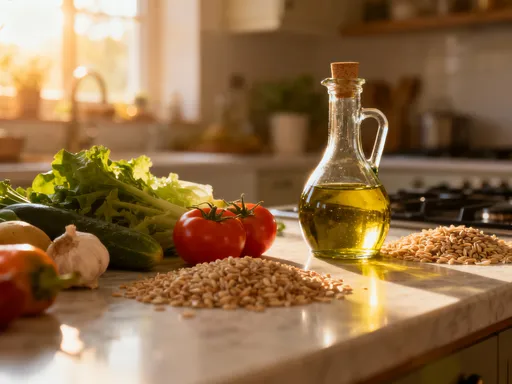
The beauty of the Mediterranean approach is that it doesn’t require a complete kitchen overhaul or a trip to a specialty store. Small, consistent changes can make a big difference over time. One of the easiest places to start is in the pantry: replace butter with extra virgin olive oil for cooking, baking, and dressings. Olive oil is rich in heart-healthy monounsaturated fats and adds a rich flavor to everything from roasted vegetables to whole grain pasta.
Another simple switch is trading white bread and refined grains for whole grain or sourdough options. Whole grain bread, brown rice, barley, and farro provide more fiber and nutrients than their refined counterparts. They also help maintain steady blood sugar levels, reducing cravings and energy dips. Even small changes, like choosing whole wheat pasta instead of regular, can contribute to long-term health.
Snacking habits can also be transformed with minimal effort. Instead of reaching for packaged cookies or chips, keep fresh fruit, raw nuts, or pre-cut vegetables on hand. Hummus is a versatile dip that pairs well with cucumbers, bell peppers, or whole grain crackers. These choices are not only healthier but often more satisfying than processed snacks that leave you hungry soon after.
One of the most impactful shifts is rethinking the role of meat in meals. Instead of making meat the centerpiece, use it as a flavoring or side. Try bean stews, lentil soups, or grain bowls with chickpeas as the main protein. When you do include meat, choose lean cuts and keep portions small—about the size of a deck of cards. This change alone can reduce saturated fat intake and increase consumption of plant-based nutrients.
Meal Prep & Real-Life Hacks for Busy Schedules
For women managing households, careers, and family responsibilities, time is often the biggest barrier to healthy eating. The good news is that the Mediterranean way is highly adaptable to busy lives. One of the most effective strategies is batch cooking. On a free afternoon, roast a large tray of mixed vegetables—such as sweet potatoes, broccoli, and red onions—and store them in the refrigerator. These can be added to salads, grain bowls, or scrambled eggs throughout the week.
Similarly, cooking a big pot of quinoa, farro, or brown rice at the start of the week saves time and ensures you always have a healthy base for meals. These grains can be mixed with beans, chopped vegetables, and a simple dressing to create ready-to-eat lunches. Mason jars are excellent for layering salads: start with dressing at the bottom, then add grains, beans, and vegetables, finishing with greens on top. When ready to eat, just shake and pour into a bowl.
Keeping a well-stocked pantry makes meal assembly quick and stress-free. Canned beans (preferably low-sodium), diced tomatoes, tuna in olive oil, and whole grain pasta are all shelf-stable items that can be combined into a nutritious meal in minutes. A can of chickpeas tossed with olive oil, lemon juice, and spices becomes hummus in seconds. A can of white beans mixed with sautéed garlic and spinach makes a satisfying side or main.
One-pot meals are another time-saver. Try a Greek-style baked dish with potatoes, tomatoes, olives, and a piece of fish or chicken, all seasoned with oregano and baked together. This type of meal requires minimal prep, few dishes, and fills the house with an inviting aroma. It also reheats well, making leftovers a convenient option for busy evenings.
Staying Consistent: Mindset, Not Perfection
Perhaps the most important aspect of lasting change is mindset. The Mediterranean way of eating is not about being perfect. It is normal to have days when you eat out, attend celebrations, or simply crave comfort food. The goal is not purity but progress. What matters most is the overall pattern of eating, not a single meal or snack. When you focus on consistency rather than perfection, the pressure to “get it right” every time fades, making the journey more enjoyable and sustainable.
Eating is deeply tied to emotion, memory, and connection. Meals are not just fuel; they are moments of pause, pleasure, and sharing. The Mediterranean tradition values this deeply—meals are meant to be savored, not rushed. Slowing down, chewing thoroughly, and enjoying the taste of food enhances digestion and satisfaction. It also helps prevent overeating, as the brain has time to register fullness.
Building this way of eating into your life is not about restriction but about enrichment. It is about choosing foods that make you feel energized, clear-headed, and strong. It is about cooking with care, eating with joy, and sharing meals with loved ones. These small, daily choices add up to a healthier, more vibrant life over time. You don’t need to transform everything at once. Start with one swap, one new recipe, or one extra serving of vegetables. Let the changes accumulate naturally.
Over time, these habits become second nature. You may find yourself reaching for an apple and almonds instead of a granola bar without even thinking. You might enjoy cooking more, discovering new flavors, and feeling proud of the way you nourish yourself and your family. That is the true power of the Mediterranean way—it is not a diet to follow, but a lifestyle to live.
The Mediterranean way isn’t a trend—it’s a return to eating that’s rooted in flavor, balance, and nature. It doesn’t demand sacrifice; it invites better choices, made easy. By focusing on whole foods and simple routines, anyone can adopt its principles without feeling restricted. More than a diet, it’s a lifestyle worth living—one that supports your body today and for years to come.