Hair That Thrives: A Professional’s Journey to Scalp Wellness
Losing hair or dealing with a flaky, itchy scalp isn’t just frustrating—it can shake your confidence. I’ve been there, searching through endless products with little result. Through clinical insight and personal testing, I discovered that true hair health starts beneath the surface. It’s not about quick fixes, but consistent, science-backed care. This is what transformed my routine and can reshape yours—naturally and effectively.
The Hidden Crisis Beneath Your Hair
Many people treat their hair like a fashion accessory—styling it daily, coloring it seasonally, and reaching for serums when split ends appear. But few consider what lies underneath: the scalp, a living, breathing organ that serves as the foundation for every strand. When the scalp is compromised, hair cannot thrive. Conditions such as dandruff, seborrheic dermatitis, and chronic dryness are not merely cosmetic nuisances; they are symptoms of deeper imbalances. The scalp hosts a delicate microbiome—a community of beneficial bacteria and fungi—that maintains pH balance, regulates oil production, and protects against inflammation. When this ecosystem is disrupted by environmental stressors, poor hygiene, or chemical exposure, the result is often flaking, itching, and even hair thinning.
One of the most misunderstood aspects of scalp health is the role of sebum. Produced by sebaceous glands, sebum is a natural oil that lubricates the scalp and protects hair from dehydration. However, an overproduction of sebum can lead to clogged follicles, creating an environment where yeast like Malassezia proliferates, triggering dandruff and inflammation. Conversely, underproduction—often due to overwashing or harsh products—leaves the scalp dry and vulnerable to irritation. Both extremes compromise the skin barrier, making it easier for allergens and microbes to penetrate. This imbalance can set off a cycle of itching, scratching, and further damage, which may eventually impair hair growth.
Additionally, modern lifestyles contribute to scalp stress. Exposure to pollution, UV radiation, and indoor heating or cooling systems can dehydrate the scalp and weaken its protective layer. Stress hormones like cortisol also play a significant role, as elevated levels have been linked to increased scalp inflammation and disrupted hair cycles. Diet, too, influences scalp condition—high sugar and processed fat intake can promote systemic inflammation, which manifests on the skin. Recognizing these interconnected factors is essential. True scalp wellness does not begin with a new shampoo, but with an understanding that the scalp is part of the body’s larger system, requiring holistic attention.
Why Traditional Haircare Falls Short
The beauty industry thrives on promises: thicker hair in weeks, dandruff eliminated in days, split ends repaired with one wash. These claims dominate shelves and social media, but they often mask a fundamental flaw—most commercial haircare products are designed for appearance, not health. They coat strands with silicones to create instant shine, use sulfates to produce satisfying lather, and add synthetic fragrances to evoke luxury. While these ingredients deliver short-term aesthetic benefits, they frequently undermine long-term scalp integrity. Sulfates, for example, are powerful detergents that strip away natural oils, disrupting the scalp’s moisture balance and triggering irritation in sensitive individuals. Over time, this can lead to increased oil production as the scalp attempts to compensate, creating a vicious cycle of over-cleansing and rebound greasiness.
Silicones, while making hair feel smooth, accumulate on the scalp if not thoroughly removed. This buildup can block hair follicles, preventing oxygen and nutrients from reaching the roots. For those already experiencing thinning or slow growth, this obstruction can worsen the condition. Artificial fragrances, another common ingredient, are among the leading causes of allergic contact dermatitis on the scalp. Because the skin here is thinner than on other parts of the body and rich in blood vessels, it absorbs substances more readily, increasing the risk of adverse reactions. These ingredients are rarely essential for hair health and are often included solely for sensory appeal.
Moreover, many consumers fall into the trap of overwashing, believing that frequent shampooing leads to cleaner, healthier hair. In reality, washing too often—especially with harsh formulas—can damage the scalp’s lipid barrier, leading to dryness, flaking, and increased sensitivity. Dermatologists often recommend washing every two to three days for most hair types, allowing natural oils to distribute evenly along the strands. Yet, marketing campaigns continue to promote daily washing as the norm, reinforcing habits that may do more harm than good. The shift toward scalp wellness requires a reevaluation of these norms. Instead of chasing instant results, individuals should prioritize gentle, non-irritating products that support the scalp’s natural functions. This means choosing formulas free from sulfates, parabens, and synthetic fragrances, and favoring those with soothing ingredients like aloe vera, niacinamide, and prebiotics that nourish the microbiome.
The Science of Hair Growth Cycles
Hair growth is not a constant process, but a carefully regulated biological cycle composed of three distinct phases: anagen, catagen, and telogen. During the anagen phase, which can last between two to seven years depending on genetics and health, hair follicles are actively producing new cells, pushing strands upward and outward. This is the growth stage, and the length of anagen largely determines how long one’s hair can grow. The catagen phase follows, lasting about two to three weeks, during which cell production stops and the follicle shrinks, detaching from the blood supply. Finally, in the telogen phase—a resting period that lasts around three months—the old hair remains in place while a new hair begins to form beneath it. Once the new hair emerges, the old one naturally sheds, making way for renewal.
At any given time, about 85–90% of scalp hairs are in the anagen phase, while the remaining 10–15% are in telogen. It is normal to lose 50 to 100 hairs per day as part of this cycle. However, when external or internal stressors disrupt the balance—causing more follicles to enter telogen prematurely—the result is telogen effluvium, a condition marked by diffuse shedding. Common triggers include severe illness, surgery, rapid weight loss, hormonal changes (such as postpartum or menopause), and chronic stress. These events can push a larger proportion of hairs into resting, leading to noticeable thinning several months later. While this type of shedding is usually temporary, it can be distressing and is often mistaken for permanent hair loss.
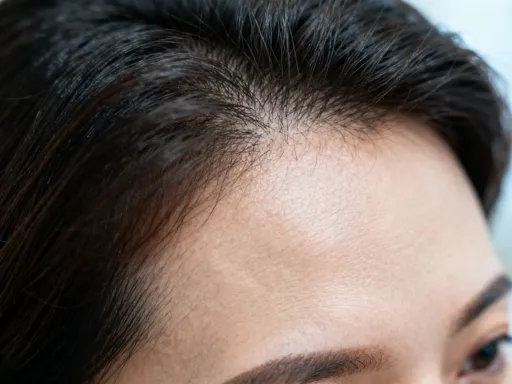
Another concern is the shortening of the anagen phase due to aging, genetics, or nutritional deficiencies. When the growth phase becomes shorter, hair has less time to reach its full length before entering the resting stage, resulting in finer, shorter strands. This is commonly seen in androgenetic alopecia, also known as female or male pattern hair loss, where follicles gradually miniaturize over time. Unlike telogen effluvium, this condition is progressive and requires early intervention. Understanding these cycles empowers individuals to distinguish between temporary shedding and chronic conditions. It also highlights the importance of timing—interventions aimed at extending anagen or reducing premature entry into telogen can significantly influence hair density and resilience.
Nutrition as the Internal Foundation
While topical treatments address the surface, true hair strength begins within the body. The bloodstream delivers essential nutrients to hair follicles, fueling cell division and keratin production—the structural protein that makes up hair. A deficiency in key nutrients can impair this process, leading to weak, brittle strands or increased shedding. Among the most well-researched nutrients for hair health are biotin (vitamin B7), iron, zinc, vitamin D, and omega-3 fatty acids. Biotin plays a crucial role in metabolizing amino acids necessary for keratin synthesis. Though severe deficiency is rare, suboptimal levels—often due to poor diet or digestive issues—can contribute to thinning. Studies have shown that supplementing biotin may improve hair thickness in individuals with documented deficiency, though benefits in well-nourished individuals remain less clear.
Iron is another critical player, particularly for women. Low ferritin levels—the stored form of iron—are frequently linked to hair loss, especially in premenopausal individuals who lose iron through menstruation. Iron supports oxygen transport to tissues, including the scalp, and is vital for follicle energy metabolism. Research indicates that maintaining ferritin levels above 50 ng/mL may support optimal hair growth, even in the absence of anemia. Zinc, meanwhile, regulates the oil glands around follicles and supports immune function, helping to prevent scalp infections and inflammation. Deficiency has been associated with telogen effluvium and alopecia areata, though excessive intake can also cause hair loss, underscoring the need for balance.
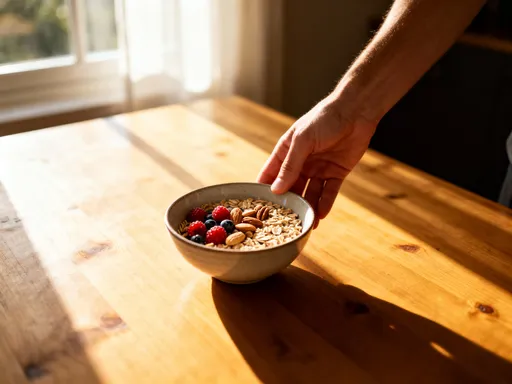
Omega-3 fatty acids, found in fatty fish, flaxseeds, and walnuts, contribute to scalp hydration and reduce inflammation. These fats help maintain the integrity of cell membranes, ensuring follicles receive adequate nourishment. Vitamin D receptors are present in hair follicles, and emerging evidence suggests a link between low vitamin D levels and certain types of hair loss, though more research is needed to confirm causality. Rather than relying on supplements alone, experts recommend obtaining these nutrients through a balanced, whole-foods-based diet. Leafy greens, lean proteins, nuts, seeds, and fatty fish provide a synergistic blend of nutrients that support not only hair but overall vitality. A diet rich in antioxidants also helps combat oxidative stress, which has been implicated in premature graying and follicle aging. By viewing nutrition as a form of internal care, individuals can create a sustainable foundation for stronger, more resilient hair.
Daily Rituals That Make a Difference
Consistency is the cornerstone of scalp wellness. While dramatic treatments and expensive serums attract attention, it is the small, daily habits that yield lasting results. A professional-grade hair care routine does not require complexity—it demands mindfulness and regularity. One of the most impactful practices is proper washing frequency. For most people, shampooing every two to three days strikes the right balance between cleanliness and moisture preservation. Those with oily scalps may need to wash more frequently, while individuals with dry or curly hair may benefit from less frequent cleansing. Water temperature also matters: hot water can strip natural oils and irritate the scalp, so lukewarm water is recommended to maintain the skin’s barrier function.
When applying shampoo, it is important to focus on the scalp rather than the lengths of the hair. Massaging the product in with the fingertips—not the nails—stimulates blood circulation, which enhances nutrient delivery to follicles. This gentle massage also helps loosen dead skin cells and excess sebum, promoting a cleaner environment. Rinsing thoroughly is equally important to prevent residue buildup, especially when using conditioners or masks, which should be applied only to the mid-lengths and ends to avoid weighing down the roots. After washing, patting hair dry with a microfiber towel instead of rubbing reduces friction and minimizes breakage.
Detangling should be done with care. Starting from the ends and working upward with a wide-tooth comb prevents pulling and snapping, especially in wet hair, which is more elastic and prone to damage. Air drying is preferable when possible, but if heat styling is necessary, using a heat protectant and the lowest effective temperature setting can reduce harm. Incorporating a weekly scalp treatment—such as a nourishing oil blend or a gentle exfoliating mask—can further support follicle health. These rituals, when practiced consistently, do more than improve appearance; they foster a sense of self-awareness and connection to one’s body. Over time, they become acts of care rather than chores, reinforcing the idea that hair health is an ongoing journey, not a destination.
When to Seek Expert Help
While many scalp and hair concerns can be managed with lifestyle adjustments and proper care, some signs indicate the need for professional evaluation. Sudden or excessive hair shedding—more than 100 strands per day for several weeks—warrants attention, particularly if it is accompanied by changes in hair texture or density. Patchy hair loss, especially in round or irregular patterns, may signal alopecia areata, an autoimmune condition that requires medical diagnosis and treatment. Persistent redness, scaling, or painful lesions on the scalp could indicate seborrheic dermatitis, psoriasis, or a fungal infection, all of which benefit from targeted therapies.
Itching that does not improve with gentle care or over-the-counter treatments may also point to an underlying condition. In some cases, hair loss is a symptom of systemic issues such as thyroid disorders, polycystic ovary syndrome (PCOS), or nutritional deficiencies that extend beyond the scalp. A dermatologist or healthcare provider can perform blood tests, scalp examinations, or biopsies to identify the root cause. Early intervention is key—delaying evaluation may allow reversible conditions to progress into more challenging stages. Seeking help is not a sign of failure, but of proactive self-care. Professionals can offer personalized guidance, prescribe evidence-based treatments such as topical minoxidil or corticosteroids when appropriate, and rule out serious conditions. Their expertise ensures that efforts are directed toward effective solutions, not trial-and-error approaches that may waste time and resources.
Building a Sustainable Hair Health Mindset
Hair care is often framed as a pursuit of beauty, but it can also be a powerful form of self-stewardship. Shifting the focus from appearance to wellness allows individuals to engage with their hair in a more meaningful way. This mindset values patience, consistency, and self-compassion over instant transformations. Hair grows slowly—about half an inch per month—and visible changes may take weeks or even months to appear. Celebrating small improvements, such as reduced shedding, less itching, or increased shine, helps maintain motivation during this gradual process. Tracking progress through photos or journaling can provide tangible evidence of improvement, even when changes feel subtle.
Equally important is resisting the comparison trap. Social media is filled with images of flawless hair, often enhanced by lighting, filters, or professional styling. These portrayals can distort expectations and fuel frustration. Remembering that everyone’s hair journey is unique—shaped by genetics, health, and lifestyle—helps cultivate acceptance and resilience. Instead of striving for perfection, the goal becomes balance: honoring the body’s natural rhythms while supporting it with informed choices. This approach extends beyond hair to overall well-being, reinforcing the connection between internal health and external vitality.
Ultimately, scalp and hair wellness is not about achieving an idealized standard, but about nurturing a part of the body that reflects one’s care and attention. By integrating science-backed practices, mindful habits, and a compassionate perspective, individuals can build a routine that sustains not only healthier hair, but greater confidence and self-awareness. The journey is ongoing, but with the right foundation, it is one that leads to lasting strength and renewal.