How I Found Relief: My Real Talk on Acupuncture and Massage for Recovery
Ever felt stuck in your recovery journey, no matter how many treatments you try? I’ve been there. After months of frustration, I turned to acupuncture and massage—not as quick fixes, but as part of a mindful recovery plan. This isn’t a miracle story, just real progress. Here’s what actually helped me, the science behind it, and how you can thoughtfully include these therapies in your own healing path—always with professional guidance, of course.
The Hidden Struggle Behind Slow Recovery
Many people assume that rest and time are all the body needs to heal. While rest is essential, it’s not always enough. For countless individuals, especially those managing chronic stiffness, post-surgical discomfort, or long-term muscle strain, recovery stalls despite their best efforts. The reason often lies beneath the surface—unresolved muscle tension, restricted blood flow, and persistent inflammation that rest alone cannot resolve. These hidden barriers interfere with the body’s natural repair processes, making progress slow and sometimes discouraging. Pushing through pain or relying solely on stretching and light exercise may even worsen the situation, leading to compensation patterns and secondary discomfort.
One of the most overlooked factors in recovery is the role of the nervous system. When the body experiences ongoing discomfort, the nervous system can become hypersensitive, amplifying pain signals even when tissue damage has healed. This phenomenon, sometimes referred to as central sensitization, means that the body continues to react as if it’s injured, even when structural healing is complete. In such cases, addressing only the physical symptoms—like tight muscles or joint stiffness—may not produce lasting results. Instead, healing requires a broader approach that includes calming the nervous system, improving circulation, and restoring balance to how the body moves and feels.
Another common obstacle is poor circulation. Tissues need oxygen and nutrients to repair, and they rely on efficient blood and lymph flow to remove waste products. When circulation is impaired—due to inactivity, scar tissue, or prolonged tension—the healing process slows significantly. This is especially true after surgery or injury, where swelling and inflammation can linger longer than expected. Without targeted support, the body may remain in a state of incomplete recovery, leading to cycles of flare-ups and frustration. Recognizing these deeper challenges is the first step toward more effective healing.
What Acupuncture Really Does (And What It Doesn’t)
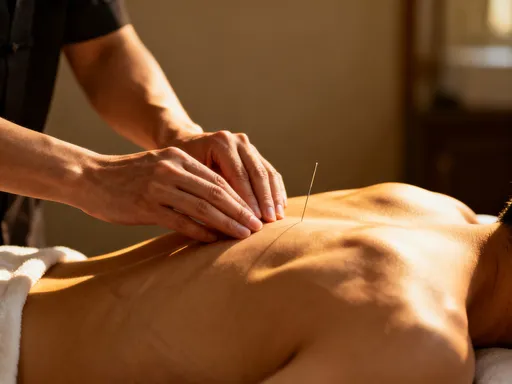
Acupuncture is often misunderstood. Some view it as a mystical tradition with unproven benefits, while others expect immediate pain relief after a single session. The truth lies somewhere in between. Modern research suggests that acupuncture works through measurable physiological mechanisms, not magic. When fine, sterile needles are inserted at specific points—often corresponding to nerve-rich areas or muscle trigger zones—they can influence the nervous system, modulate pain signals, and stimulate local blood flow. These effects are supported by studies showing changes in brain activity, reduced inflammatory markers, and increased endorphin release following treatment.
One of the most well-documented effects of acupuncture is its ability to regulate the autonomic nervous system. By activating the parasympathetic response—the body’s “rest and digest” mode—it helps reduce stress-related tension that can exacerbate pain and delay healing. This is particularly valuable for individuals whose recovery is hindered by chronic stress or anxiety. When the body is in a constant state of alert, muscles remain tight, inflammation persists, and tissue repair is less efficient. Acupuncture can help shift the body out of this heightened state, creating a more favorable environment for healing.
It’s important to clarify what acupuncture is not. It is not a substitute for medical diagnosis or treatment. It does not “cure” underlying conditions like arthritis or herniated discs, nor should it replace physical therapy or prescribed medications. Instead, it functions as a supportive therapy—one that enhances the body’s natural capacity to heal. Benefits are often cumulative, meaning they build over time with consistent sessions. Some people notice improvement after just one or two treatments, while others may need several weeks to see meaningful change. Patience and realistic expectations are key. When used appropriately, acupuncture becomes a tool for managing symptoms, improving function, and supporting overall well-being during recovery.
The Power of Therapeutic Massage in Healing
Massage therapy is often associated with relaxation and spa days, but therapeutic massage goes far beyond simple stress relief. When applied with intention and expertise, techniques like deep tissue massage, myofascial release, and trigger point therapy can play a crucial role in physical recovery. These methods target the connective tissues, muscles, and fascia—the web-like structure that surrounds and supports muscles and organs. Over time, injury, overuse, or inactivity can cause fascia to become tight, restricted, or adhered, limiting movement and contributing to chronic discomfort.
One of the primary benefits of therapeutic massage is its ability to break down adhesions and reduce muscle hypertonicity—excessive muscle tension. By applying sustained pressure or precise strokes, a trained therapist can release knots, improve tissue elasticity, and restore range of motion. This is especially helpful after surgery, where scar tissue can form and restrict movement. For example, someone recovering from shoulder surgery may experience limited mobility due to tightness in the surrounding muscles and fascia. Regular massage can help soften these tissues, making rehabilitation exercises more effective and less painful.
Beyond the mechanical effects, massage also influences the body on a biochemical level. Studies have shown that therapeutic massage can reduce levels of cortisol, the stress hormone, while increasing serotonin and dopamine—neurotransmitters linked to mood regulation and well-being. This dual effect not only helps the body relax but also supports immune function and tissue repair. Additionally, massage enhances lymphatic drainage, which helps remove excess fluid and metabolic waste from injured areas. This is particularly beneficial in reducing post-injury swelling and preventing the buildup of inflammatory byproducts that can prolong recovery.
Why Combining Both Works Better
While acupuncture and massage each offer distinct benefits, using them together can create a synergistic effect that enhances overall recovery. The combination works because each modality prepares the body to respond more effectively to the other. For instance, acupuncture can calm the nervous system before a massage session, making muscles less reactive and more receptive to deep tissue work. When the body is in a relaxed state, the therapist can work more efficiently, with less discomfort for the client. This is especially valuable for individuals with high pain sensitivity or those who have struggled with massage in the past due to muscle guarding.
Conversely, massage can improve the outcomes of acupuncture by releasing physical tension that might otherwise block energy flow—what traditional Chinese medicine refers to as “qi.” While the concept of qi is symbolic in Western science, the physiological correlate is clear: restricted tissues and poor circulation can impede healing. By improving blood flow and reducing muscle stiffness, massage creates better conditions for acupuncture to exert its regulatory effects. This two-way support makes the combination particularly effective for complex or long-standing conditions.
Many recovery plans that incorporate both therapies follow a strategic sequence. A common approach is to begin with acupuncture to initiate nervous system regulation, followed by massage to address physical restrictions. Over time, this pattern helps retrain the body’s response to pain and movement. Some practitioners even offer integrated sessions where both treatments are provided in a single appointment, ensuring continuity and maximizing therapeutic benefit. The key is coordination—working with practitioners who communicate and understand the patient’s overall goals.
Building a Personalized Recovery Plan
Recovery is not a one-size-fits-all process. What works for one person may not work for another, depending on the nature of the injury, overall health, lifestyle, and personal goals. This is why creating a personalized recovery plan is essential. The first step is consulting with a healthcare provider to ensure that acupuncture and massage are appropriate and safe. This is especially important for individuals with certain medical conditions, such as blood clotting disorders, osteoporosis, or recent surgeries, where specific precautions are necessary.
Once medical clearance is obtained, the next step is finding qualified practitioners. Look for licensed acupuncturists who have completed accredited training programs and are certified by recognized boards. For massage therapy, seek therapists who specialize in medical or rehabilitation massage and have experience working with recovery cases. A good practitioner will take time to understand your history, assess your condition, and collaborate with your healthcare team when needed.
Setting realistic goals is another cornerstone of a successful plan. Instead of aiming for complete pain elimination right away, focus on measurable improvements—such as increased range of motion, reduced reliance on pain medication, or better sleep quality. Tracking progress through a journal or app can help identify patterns and adjust the plan as needed. Frequency of sessions should be tailored to individual response. Some people benefit from weekly sessions initially, then transition to biweekly or monthly maintenance. Others may need more intensive treatment during flare-ups, followed by a gradual taper. The goal is consistency, not intensity.
Common Mistakes and How to Avoid Them
Despite their benefits, acupuncture and massage can be misused or misunderstood, leading to disappointment or even setbacks. One of the most common mistakes is treating these therapies as replacements for medical care. They are complementary, not alternatives. Skipping physical therapy, avoiding prescribed treatments, or delaying diagnosis in favor of acupuncture or massage alone can prolong recovery and, in some cases, worsen the condition. These therapies should always be part of a broader, medically supervised plan.
Another frequent error is choosing unlicensed or underqualified providers. The wellness industry is not uniformly regulated, and not all practitioners have the same level of training. Some may offer “acupuncture” without proper certification or perform deep tissue massage without understanding contraindications. This increases the risk of injury or ineffective treatment. Always verify credentials and ask about experience with recovery cases. A reputable practitioner will welcome questions and provide transparent information about their methods and qualifications.
Overdoing it is another pitfall. Some individuals, eager for results, schedule daily sessions or push through discomfort during treatment. This can lead to soreness, fatigue, or even tissue irritation. Healing is a gradual process, and the body needs time to integrate the effects of each session. It’s also important to communicate openly with practitioners about pain levels and reactions. If a technique feels too intense or causes increased discomfort afterward, adjustments should be made. Listening to the body and respecting its limits is crucial for sustainable progress.
Long-Term Benefits Beyond Pain Relief
The value of acupuncture and massage extends far beyond immediate symptom relief. When used consistently and thoughtfully, these therapies can contribute to long-term improvements in overall health and quality of life. Many people report better sleep, increased energy, and improved mood after integrating regular sessions into their routine. These benefits are not just anecdotal—research supports the role of both therapies in enhancing sleep quality and reducing fatigue, particularly in individuals recovering from chronic conditions.
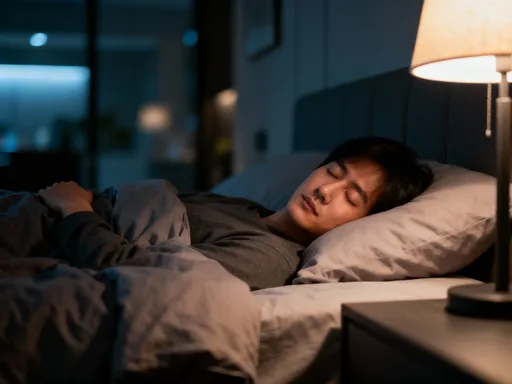
Improved sleep, in particular, plays a vital role in healing. During deep sleep, the body repairs tissues, balances hormones, and strengthens the immune system. When pain or stress disrupts sleep, recovery slows. Acupuncture and massage can help break this cycle by promoting relaxation and reducing the physical and emotional tension that interferes with rest. Over time, better sleep leads to greater resilience, making it easier to manage daily activities and maintain an active lifestyle.
Another long-term benefit is increased body awareness. Regular sessions encourage individuals to tune in to how their body feels, recognize early signs of tension, and respond proactively. This mindfulness can prevent minor issues from developing into major problems. For example, someone who notices shoulder tightness early can schedule a massage before it leads to headaches or restricted movement. This preventive aspect makes acupuncture and massage not just tools for recovery, but sustainable practices for lifelong well-being.
Perhaps most importantly, these therapies can help restore a sense of control and confidence in the body. Chronic pain or slow recovery can be emotionally draining, leading to frustration, anxiety, or a feeling of helplessness. By providing tangible relief and supporting the body’s natural healing processes, acupuncture and massage empower individuals to actively participate in their recovery. This shift—from passive suffering to active healing—can be transformative, not just physically, but emotionally and mentally.