How I Keep My Hair Strong Without Pills — Just Simple Moves That Work
Losing hair can hit hard — it’s not just about looks, it’s confidence, identity, even daily mood. I started noticing more strands on my pillow and in the shower, and honestly, it scared me. But instead of jumping on pills or expensive treatments, I turned to something simpler: movement. Turns out, how you move your body can seriously impact your scalp health. This isn’t a miracle fix — it’s science-backed, practical, and totally doable. What I discovered wasn’t a quick fix, but a lasting shift — one that didn’t require prescriptions, supplements, or drastic changes. Just consistent, mindful movement, paired with a deeper understanding of how the body supports hair from within. This journey taught me that healthy hair isn’t just about what you put on it — it’s about what you do for your whole body.
The Hair Loss Wake-Up Call: More Than Just Aging
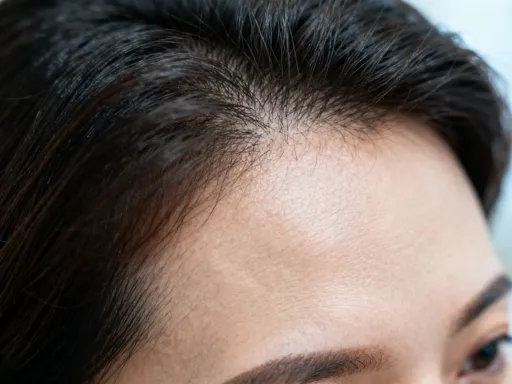
Hair thinning is often dismissed as a natural part of aging, especially for women in their 30s and beyond. While it’s true that hormonal changes during perimenopause and menopause can affect hair density, aging alone is rarely the sole culprit. Many women are surprised to learn that lifestyle factors — such as chronic stress, poor sleep, and physical inactivity — play a far greater role in hair health than genetics for a significant number of people. The body’s response to daily pressures can quietly disrupt the hair growth cycle, pushing more follicles into the shedding phase. This type of hair loss, known as telogen effluvium, is often temporary but can become persistent if the underlying triggers aren’t addressed.
One of the most misunderstood aspects of hair loss is the role of circulation. The scalp, like any other part of the body, relies on a steady supply of oxygen and nutrients to function properly. When blood flow to the hair follicles is reduced — due to prolonged sitting, stress-related vasoconstriction, or inflammation — the follicles receive fewer of the essentials they need to produce strong, healthy strands. Over time, this can lead to finer, weaker hair and increased shedding. It’s not about baldness in the dramatic sense, but rather a gradual thinning that erodes confidence and makes styling more difficult.
There are also many myths that cloud the conversation around hair loss. Some believe that wearing hats causes baldness, but there is no scientific evidence to support this. Similarly, frequent shampooing does not increase hair fall — in fact, keeping the scalp clean helps prevent clogged follicles. On the other hand, tight hairstyles worn daily, such as high ponytails or braids, can contribute to traction alopecia, a form of hair loss caused by constant pulling. Heat styling and chemical treatments can further weaken the hair shaft, making breakage more likely. These factors don’t operate in isolation; they often combine with internal imbalances to accelerate thinning.
The good news is that many of these triggers are within our control. Unlike genetic hair loss, which follows a more predictable pattern and may require medical intervention, lifestyle-related shedding can often be slowed or even reversed with the right approach. The focus should be on creating a supportive environment for the scalp — one that promotes circulation, reduces inflammation, and minimizes stress. This means looking beyond topical treatments and considering how daily habits influence the body’s internal landscape. Movement, in particular, emerges as a powerful yet underappreciated tool in this process. It’s not about intense workouts or extreme regimens, but about consistent, gentle actions that support overall wellness — and by extension, hair health.
Why Exercise Matters for Your Hair (It’s Not Just Sweat)
At first glance, the connection between physical activity and hair health might seem indirect, even surprising. But the body functions as an integrated system, and what benefits one part often supports another. Exercise is well known for improving cardiovascular health, boosting mood, and regulating hormones — all of which have a downstream effect on hair. One of the most significant ways movement supports hair is by enhancing blood circulation. When you engage in physical activity, your heart pumps more efficiently, increasing blood flow throughout the body, including to the scalp. This improved circulation delivers more oxygen and essential nutrients — such as iron, vitamins, and amino acids — directly to the hair follicles, which are metabolically active and require constant nourishment.
Beyond circulation, exercise plays a crucial role in managing stress, a major contributor to hair shedding. Chronic stress elevates cortisol, the so-called “stress hormone,” which can disrupt the normal hair growth cycle. High cortisol levels have been linked to increased shedding and slower regrowth. Regular physical activity helps regulate cortisol by promoting the release of endorphins and other mood-stabilizing chemicals in the brain. Over time, this leads to a calmer nervous system and a more balanced hormonal environment — both of which are favorable for maintaining healthy hair. Even moderate activities like walking or stretching can trigger this calming effect, making them accessible options for women with busy schedules.
Exercise also influences inflammation, another silent factor in hair loss. Chronic low-grade inflammation, often driven by sedentary lifestyles and poor diet, can impair follicle function and contribute to scalp sensitivity. Physical activity helps reduce inflammatory markers in the body, creating a more favorable environment for hair growth. Additionally, strength training and resistance exercises support muscle mass and metabolic health, which in turn help stabilize hormones like insulin and estrogen — both of which play roles in hair cycling. While no single workout guarantees thicker hair, the cumulative effect of regular movement supports the internal conditions that allow hair to thrive.
It’s important to note that the benefits of exercise for hair are not immediate. Like most aspects of health, consistency matters more than intensity. A single long workout won’t reverse shedding, but a steady routine — even if it’s just 20 minutes a day — can gradually improve the body’s internal environment. The key is to view movement not as a chore or punishment, but as a form of self-care that nourishes the entire body, from the inside out. When approached this way, exercise becomes less about appearance and more about creating a foundation of wellness that naturally extends to stronger, shinier hair.
The Foundation: Daily Movement That Fits Real Life
For many women, especially those managing households, careers, or caregiving responsibilities, the idea of adding a rigorous fitness routine can feel overwhelming. The truth is, you don’t need to spend hours in the gym to see benefits. The foundation of movement for hair health lies in consistency, not intensity. Simple, low-effort activities done regularly can have a profound impact on circulation, stress levels, and overall well-being. Walking, for example, is one of the most accessible and effective forms of exercise. A daily 20- to 30-minute walk — whether around the neighborhood, in a park, or even indoors — gets the blood flowing, clears the mind, and supports metabolic balance. The rhythmic motion of walking gently stimulates circulation to the scalp, making it a powerful ally in the fight against thinning.
Light cardio activities like cycling, swimming, or dancing can also be excellent choices. These forms of movement elevate the heart rate just enough to improve circulation without placing excessive strain on the body. For those with joint sensitivities or limited mobility, water-based exercises or seated cardio routines offer gentle alternatives. The goal is not to push the body to exhaustion, but to keep it moving in ways that feel sustainable and enjoyable. When exercise feels like a punishment, it’s less likely to become a habit. But when it’s integrated into daily life — such as taking the stairs, parking farther away, or doing a few stretches during TV commercials — it becomes a natural part of the day.
Desk stretches and movement breaks are especially valuable for women who spend long hours sitting, whether at work or at home. Prolonged sitting can impair circulation, particularly in the lower body, but the effects extend upward, reducing blood flow to the scalp over time. Simple movements like shoulder rolls, neck stretches, seated spinal twists, and ankle circles can counteract this stagnation. Even standing up and walking in place for a few minutes every hour can make a difference. Some women find it helpful to take walking calls or pace while reading emails — small changes that add up over time. These micro-movements may seem insignificant, but they contribute to better overall circulation and reduced muscle tension, both of which support hair health.
The beauty of this approach is that it doesn’t require special equipment, a gym membership, or a lot of time. It’s about making movement a seamless part of life, rather than a separate task to check off. Over weeks and months, these small efforts create a cumulative effect — improving energy levels, reducing stress, and creating the internal conditions that support stronger hair. The message is clear: you don’t need to be an athlete to benefit. You just need to keep moving, in ways that work for your body and your schedule.
Targeted Moves: Exercises That Boost Scalp Health
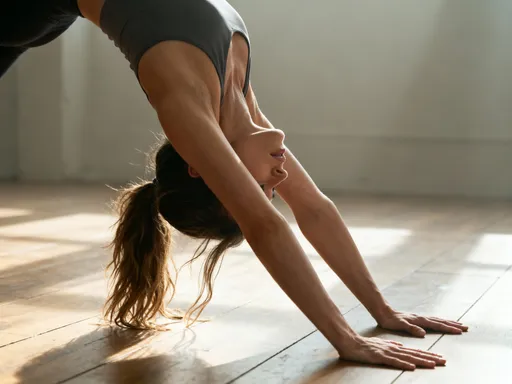
While general physical activity supports overall circulation and hormonal balance, certain movements can have a more direct impact on scalp health. These targeted exercises focus on increasing blood flow to the head and neck region, where the hair follicles are located. One of the most effective ways to achieve this is through gentle inversions — positions where the head is lower than the heart. These don’t require advanced yoga skills; even simple poses like downward dog or standing forward bend can encourage blood to flow toward the scalp. The increased circulation delivers fresh oxygen and nutrients to the follicles, supporting their function and promoting a healthier growth environment.
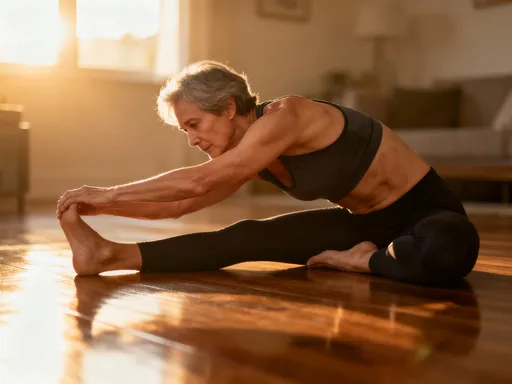
Yoga, in particular, offers several poses that are both restorative and circulation-boosting. Child’s pose, for example, gently stretches the back and neck while allowing the head to rest below the heart. Legs-up-the-wall pose is another excellent option — lying on the floor with the legs extended vertically against a wall helps reverse blood pooling in the lower extremities and redirects flow upward. These poses are especially beneficial when practiced in the evening, as they also promote relaxation and prepare the body for restful sleep. Even five to ten minutes a day can make a noticeable difference over time.
Neck rolls and scalp massages are simple yet powerful additions to a daily routine. Gently rotating the neck in slow, controlled circles helps release tension in the cervical spine, which can improve blood flow to the scalp. Pairing this with a light scalp massage — using the fingertips in circular motions — further stimulates circulation and can be deeply soothing. Many women report that this practice not only supports hair health but also helps relieve headaches and mental fatigue. It can be done while watching TV, listening to music, or during a quiet morning moment.
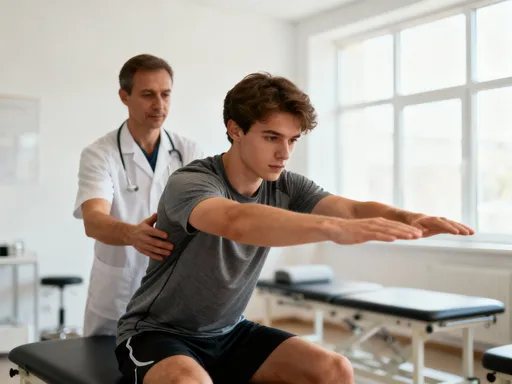
Strength training, while not directly targeting the scalp, plays an important supporting role. Building lean muscle mass helps regulate hormones, reduce inflammation, and improve insulin sensitivity — all of which contribute to a healthier internal environment for hair growth. Exercises like bodyweight squats, resistance band work, or light dumbbell routines can be done at home with minimal equipment. However, it’s important to avoid overexertion. Intense, prolonged workouts without adequate recovery can increase cortisol levels and oxidative stress, potentially counteracting the benefits. The goal is balance — enough challenge to stimulate the body, but not so much that it triggers stress responses. Moderation is key.
Stress, Sleep, and Sweat: The Hidden Triangle of Hair Wellness
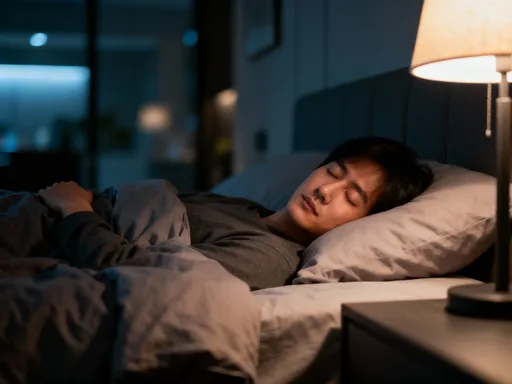
Hair health is deeply connected to the body’s ability to rest, recover, and manage stress. These three elements — stress regulation, quality sleep, and physical activity — form a hidden triangle that influences hair retention and growth. Exercise plays a central role in this system, not only by reducing stress but also by improving sleep quality. Women who engage in regular physical activity often report falling asleep faster, staying asleep longer, and waking up feeling more refreshed. This is critical because nighttime is when the body performs essential repair work, including tissue regeneration and follicle cycling. Without adequate rest, these processes are disrupted, increasing the likelihood of shedding.
Movement also helps regulate the nervous system, shifting the body from a state of constant alertness (sympathetic dominance) to one of rest and recovery (parasympathetic activation). This shift is essential for reducing cortisol and allowing the body to focus on maintenance and repair. Evening routines that include gentle movement — such as a short walk, restorative yoga, or light stretching — can signal to the body that it’s time to wind down. These practices don’t have to be strenuous; even five minutes of mindful breathing combined with shoulder rolls can help transition from a busy day to a restful night.
Sweat, a natural byproduct of exercise, also plays a role — but it requires proper care. While sweating helps eliminate toxins and regulate body temperature, leaving sweat on the scalp for extended periods can lead to clogged pores and irritation. This is especially true for women who wear hats or helmets during workouts or live in humid climates. To prevent this, it’s important to cleanse the scalp after intense sweating. A simple rinse with water or a gentle wash with a mild shampoo can remove salt and buildup without stripping natural oils. Avoid harsh sulfates or frequent washing, which can dry out the scalp and worsen sensitivity. The goal is balance — allowing the benefits of sweat while maintaining a clean, healthy scalp environment.
Together, stress management, sleep quality, and post-exercise hygiene create a supportive ecosystem for hair. When one element is out of balance, the others often suffer. For example, poor sleep can increase stress, which in turn affects exercise performance and recovery. By addressing all three, women can create a holistic approach to hair wellness that goes beyond surface-level treatments. Movement is the thread that ties them together — a daily act of care that supports the body’s natural rhythms and enhances overall vitality.
Putting It All Together: A Realistic Weekly Plan
Putting these principles into practice doesn’t require a rigid or complicated schedule. The goal is sustainability — a routine that fits into real life and can be maintained over time. A sample 5-day weekly plan might include a mix of light cardio, strength training, and relaxation-focused movement. For example, Monday could start with a 30-minute walk and end with 10 minutes of neck stretches and scalp massage. Tuesday might include a 20-minute yoga session focusing on inversions and restorative poses. Wednesday could be a strength training day with bodyweight exercises, followed by gentle stretching. Thursday might return to walking, and Friday could feature a longer yoga or stretching session.
Weekends can be more flexible — a family walk, gardening, or dancing to favorite music. The key is to stay active without pressure. Missing a day is not failure; consistency over time is what matters. For women new to exercise, starting with just 10 minutes a day and gradually increasing duration is perfectly acceptable. The plan should be adaptable — a beginner might focus on walking and stretching, while someone more active could incorporate light jogging or resistance training. The common thread is regular movement that supports circulation, reduces stress, and promotes recovery.
Pairing movement with other healthy habits enhances the benefits. Drinking plenty of water, eating a balanced diet rich in protein, iron, and essential fatty acids, and avoiding harsh chemical treatments all contribute to stronger hair. But movement remains a cornerstone — a daily act of self-investment that pays dividends in energy, mood, and appearance. Over weeks and months, many women notice not only less shedding but also improved texture and shine. These changes don’t happen overnight, but they are real and lasting.
Beyond the Gym: Lifestyle Synergy for Stronger Hair
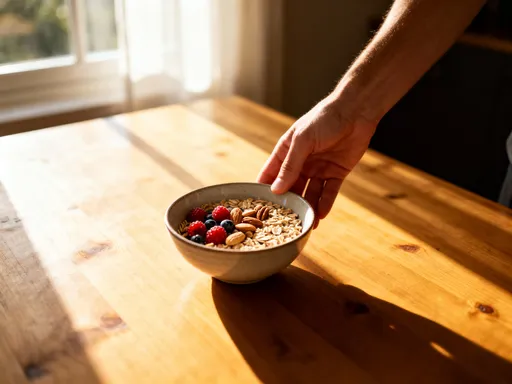
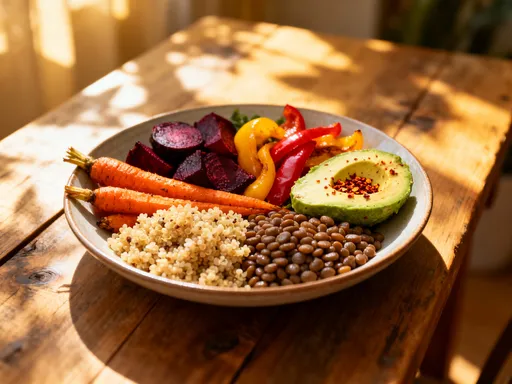
Exercise is most effective when it’s part of a broader lifestyle approach. Hydration, nutrition, and scalp care all work in synergy with movement to support hair health. Drinking enough water helps maintain scalp moisture and supports cellular function. A diet rich in whole grains, lean proteins, leafy greens, and healthy fats provides the building blocks for strong hair — including biotin, zinc, and omega-3 fatty acids. Avoiding extreme diets or rapid weight loss is also important, as these can trigger temporary shedding.
Equally important is knowing when to seek professional advice. While lifestyle changes can make a significant difference, sudden or patchy hair loss may indicate an underlying medical condition, such as thyroid imbalance or nutrient deficiency. In such cases, consulting a healthcare provider is essential. Blood tests can identify deficiencies, and appropriate treatment can be prescribed. Exercise and self-care should complement, not replace, professional medical guidance.
Patience is another crucial element. Hair grows slowly — about half an inch per month — so visible changes take time. Women who commit to consistent movement and healthy habits often see improvements within 8 to 12 weeks, but the full benefits unfold over months. This journey is not just about hair; it’s about reclaiming a sense of control and well-being. Taking action, no matter how small, builds confidence and reinforces the message that you are worth the effort. Stronger hair is not just a physical outcome — it’s a reflection of a body that is being cared for, listened to, and respected.