What I Learned Going Fully Plant-Based: Real Talk on Staying Healthy Without Meat
Switching to a vegetarian diet changed my life—no exaggeration. I used to feel sluggish, bloated, and unsure about what "healthy" really meant. Then I made the full leap, not just cutting out meat, but rethinking my whole plate. What I discovered wasn’t a quick fix, but a sustainable way to fuel my body. This is what actually works, based on science, trial, and real daily choices. It’s not about perfection or following a strict set of rules. It’s about understanding your body, making informed decisions, and building habits that support long-term wellness. Over time, I learned that plant-based eating isn’t just about removing animal products—it’s about adding more of what truly nourishes you.
Why I Went Vegetarian: More Than Just a Trend
My journey toward a plant-based lifestyle began not with a dramatic revelation, but with a slow accumulation of small discomforts. For years, I struggled with low energy in the afternoons, frequent bloating, and inconsistent digestion. I tried various diets—low-carb, intermittent fasting, even short-term cleanses—but nothing brought lasting relief. The turning point came when I read about the link between diet and chronic inflammation, particularly how high consumption of red and processed meats can contribute to long-term health risks. That’s when I began to question whether my eating habits were truly serving me.
At first, I approached vegetarianism with skepticism. Wasn’t protein only found in meat? Wouldn’t I feel deprived? These concerns were rooted in common misconceptions that many people share. One of the biggest myths is that plant-based diets are automatically deficient in essential nutrients. In reality, a well-planned vegetarian diet can meet all nutritional needs across the lifespan, according to the Academy of Nutrition and Dietetics. The key lies in understanding the difference between vegetarian, vegan, and plant-forward eating. Vegetarian diets exclude meat, poultry, and fish but may include dairy and eggs. Vegan diets go further by eliminating all animal-derived products. Plant-forward eating emphasizes whole plant foods but doesn’t require complete exclusion of animal products—it’s more about balance than restriction.
What I realized early on was that short-term dietary changes rarely lead to lasting results. Jumping from one trend to another—keto one month, juice cleanse the next—creates confusion and often leads to burnout. Sustainable health comes not from drastic eliminations, but from gradual, thoughtful shifts. Going fully plant-based wasn’t about following a fad; it was about making a long-term commitment to my well-being. It meant redefining what “normal” eating looked like and learning to view food as fuel, not just comfort or convenience. This mindset shift made all the difference.
The Nutrition Reality Check: What Your Body Actually Needs
One of the first things I had to do when transitioning was educate myself on basic nutrition—not the kind promoted by influencers or diet gurus, but evidence-based information from credible sources like registered dietitians and peer-reviewed research. The foundation of any healthy diet, whether plant-based or not, rests on three macronutrients: carbohydrates, proteins, and fats. Contrary to popular belief, carbohydrates are not the enemy. In fact, complex carbs from whole grains, legumes, fruits, and vegetables provide sustained energy and are rich in fiber, which supports digestive health and helps regulate blood sugar levels.
Protein often takes center stage in dietary conversations, especially when meat is removed from the equation. But the truth is, most adults don’t need as much protein as they think. The Recommended Dietary Allowance (RDA) for protein is 0.8 grams per kilogram of body weight per day for the average adult. For a 150-pound woman, that’s about 54 grams—easily achievable through plant sources. Fats, particularly unsaturated fats found in avocados, nuts, seeds, and olive oil, play a crucial role in hormone production, brain function, and the absorption of fat-soluble vitamins like A, D, E, and K. Eliminating fats can do more harm than good.
Where plant-based diets require extra attention is in certain micronutrients. Iron, vitamin B12, omega-3 fatty acids, and zinc are nutrients that tend to be more readily available in animal products. However, they can still be obtained from plant sources with proper planning. For example, lentils, spinach, and fortified cereals are good sources of iron, especially when paired with vitamin C-rich foods like bell peppers or citrus to enhance absorption. Vitamin B12, which is produced by bacteria and not naturally found in plants, must be obtained through fortified foods like plant milks or nutritional yeast, or via supplements. This isn’t a flaw in the diet—it’s simply a matter of being informed.
Omega-3s, essential for heart and brain health, are commonly associated with fatty fish. But plant-based eaters can get alpha-linolenic acid (ALA), a type of omega-3, from flaxseeds, chia seeds, hemp seeds, and walnuts. While the body converts ALA into the active forms EPA and DHA less efficiently, algae-based supplements offer a direct source of these important fats. Zinc, vital for immune function and wound healing, is present in legumes, whole grains, and pumpkin seeds, though phytates in these foods can inhibit absorption. Soaking, sprouting, or fermenting grains and legumes can reduce phytate content and improve zinc bioavailability. These small adjustments make a big difference over time.
Protein Panic: Why It’s Overblown (and How to Do It Right)
The fear of not getting enough protein is one of the most persistent barriers to adopting a plant-based diet. Yet, according to national nutrition surveys, most Americans actually consume more protein than they need—often from sources high in saturated fat. The real issue isn’t protein deficiency; it’s protein quality and balance. Plant-based proteins come packaged with fiber, antioxidants, and phytonutrients, unlike many animal proteins that carry additional health risks when consumed in excess.
Some of the best plant-based protein sources include lentils, which provide about 18 grams of protein per cooked cup; tofu and tempeh, both made from soybeans and offering complete amino acid profiles; chickpeas, which deliver 15 grams per cup and are incredibly versatile; and quinoa, one of the few plant foods that contains all nine essential amino acids. Even vegetables like broccoli and spinach contribute meaningful amounts when eaten in sufficient quantities. The key is variety. No single plant food needs to provide everything—as long as your diet includes a range of protein-rich plants throughout the day, your body will get what it needs.
A common concern is whether plant proteins are “complete,” meaning they contain all essential amino acids. While most plant proteins are lower in one or more amino acids, this isn’t a problem if you eat a varied diet. For example, grains tend to be low in lysine but high in methionine, while legumes are the opposite. When consumed together—like rice and beans—they form a complete protein profile. This concept, known as protein complementation, used to be thought of as necessary at every meal, but modern research shows that your body maintains amino acid pools and can combine sources over the course of a day. So there’s no need to stress about pairing foods perfectly at each sitting.
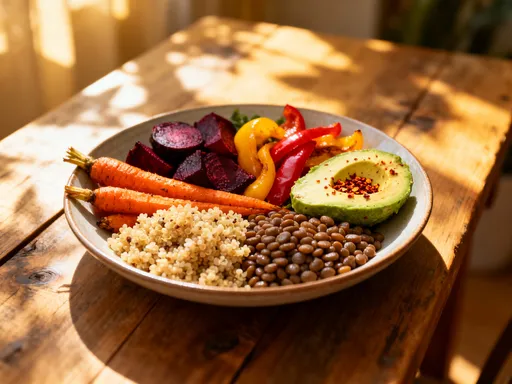
To make high-protein meals satisfying and delicious, I’ve built a rotation of go-to dishes. A breakfast of scrambled tofu with turmeric, black beans, and sautéed peppers provides over 20 grams of protein. Lunch might be a quinoa bowl with roasted sweet potatoes, chickpeas, kale, and tahini dressing. Dinner could be lentil curry with brown rice or tempeh stir-fry with broccoli and cashews. These meals keep me full, stabilize my energy, and support muscle maintenance—proof that plant-based eating can be both nutritious and deeply satisfying.
Meal Planning That Actually Works: From Chaos to Confidence
When I first started, meal planning felt overwhelming. I’d stand in front of the fridge at 6 p.m., unsure of what to cook, and end up ordering takeout. The turning point came when I adopted a simple framework: the 50/25/25 plate. This means filling half the plate with vegetables, one-quarter with plant-based protein, and one-quarter with whole grains or starchy vegetables. This visual guide made it easy to build balanced meals without counting calories or weighing portions.
Another game-changer was batch cooking. Every Sunday, I prepare a few core components: a large pot of lentils or beans, a batch of quinoa or brown rice, and a tray of roasted vegetables. These can be mixed and matched throughout the week. For example, Monday’s dinner might be a grain bowl with lentils and greens, while Tuesday’s lunch is a wrap with hummus, roasted peppers, and chickpeas. Having these staples ready reduces decision fatigue and makes healthy eating feel effortless.
Reading labels became a new habit. Many packaged foods contain hidden animal ingredients like gelatin, casein, or fish sauce. Even some breads and condiments aren’t vegetarian-friendly. Learning to scan ingredient lists helped me avoid surprises. I also discovered that many traditional dishes can be adapted easily. Chili, for instance, tastes just as rich and hearty with black beans and textured vegetable protein instead of ground beef. Stir-fries shine with tofu or tempeh, and pasta dishes can be elevated with lentils, mushrooms, or plant-based meat alternatives made from soy or peas. The goal isn’t to replicate meat exactly, but to create meals that stand on their own.
One of the most valuable lessons was learning to cook with flavor. Without relying on meat for taste, I explored spices, herbs, umami-rich ingredients like soy sauce and miso, and cooking techniques like roasting and caramelizing. These tools transformed simple ingredients into satisfying meals. Over time, I stopped thinking of vegetarian cooking as limiting and started seeing it as an opportunity for creativity and exploration.
Eating Out and Social Life: Staying on Track Without Feeling Left Out
One of the biggest worries I had was how to navigate social situations. Would I be stuck with a plain salad at a restaurant? Would family gatherings become awkward? The truth is, dining out and attending events got easier with practice and preparation. Most restaurants now offer vegetarian options, and even traditional cuisines like Italian, Indian, and Mexican have naturally plant-rich dishes. In Italy, pasta with marinara or pesto (made without cheese) works well. Indian restaurants often have lentil dals, vegetable curries, and chana masala. Mexican spots usually offer bean burritos, veggie fajitas, or rice and beans.
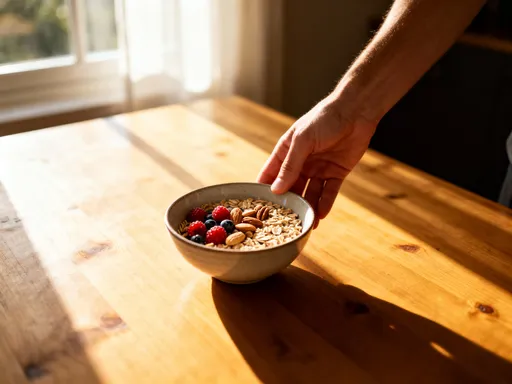
When the menu is limited, I’ve learned to ask for modifications—such as substituting beans for chicken in a bowl or requesting a grilled vegetable plate. Most kitchens are willing to accommodate. Traveling also became more manageable once I started researching restaurants in advance and packing snacks like nuts, fruit, or energy bars. I even found vegetarian-friendly options at airport terminals and hotel breakfast buffets by focusing on fresh fruit, yogurt (if consumed), oatmeal, and boiled eggs (for ovo-lacto vegetarians).
Communicating my dietary choices without sounding judgmental was another skill I developed. Instead of saying, “I don’t eat meat because it’s bad for you,” I’d simply say, “I’ve chosen a plant-based diet for my health,” which keeps the conversation neutral. This approach helped maintain harmony at family dinners and avoided making others feel defensive. When friends or relatives offered to cook for me, I’d suggest simple dishes like vegetable lasagna or a hearty grain salad, making it easy for them to include me.
Cravings and peer pressure are real, but they lessen over time. Early on, I missed certain foods, but I learned to satisfy those urges with plant-based alternatives—like mushroom-based burgers or cashew-based cheeses. These aren’t meant to be perfect replicas, but they bridge the gap during transition. The key is flexibility. Allowing myself the occasional slip-up without guilt helped me stay consistent in the long run. Eating is social, emotional, and cultural—and a sustainable diet respects all of those dimensions.
Energy, Digestion, and Long-Term Benefits: What Changed After 6 Months
After six months of consistent plant-based eating, the changes in my body were unmistakable. My energy levels stabilized—I no longer crashed in the afternoon. Digestion improved significantly, with less bloating and more regularity. I also noticed a reduction in sugar cravings, likely because my blood sugar was no longer spiking from processed meals. While I didn’t set out to lose weight, I naturally shed a few pounds and found it easier to maintain a healthy weight without counting calories.
These personal observations align with scientific evidence. Studies have shown that plant-based diets are associated with lower risks of heart disease, hypertension, type 2 diabetes, and certain cancers. The high fiber content supports a diverse gut microbiome, which plays a role in immune function, mood regulation, and inflammation control. Plant foods are also rich in antioxidants and polyphenols, compounds that protect cells from oxidative stress and may slow aging at the cellular level.
Heart health, in particular, benefits from reduced intake of saturated fat and cholesterol, both primarily found in animal products. Replacing red meat with legumes, for example, has been linked to lower LDL (“bad”) cholesterol levels. Additionally, plant-based diets tend to be lower in sodium when whole foods are emphasized, further supporting healthy blood pressure. The Nurses’ Health Study and other large observational trials have consistently found that those who eat more plant foods and fewer animal products have a lower risk of chronic disease over time.
Perhaps the most profound benefit has been the sense of empowerment. Knowing that my food choices support not only my health but also environmental sustainability—through reduced greenhouse gas emissions and land use—adds a deeper layer of meaning to my meals. It’s not about perfection, but about progress and intention.
Common Pitfalls (and How to Avoid Them)
Despite the benefits, there are common pitfalls that can undermine a plant-based diet. One is relying too heavily on processed foods like frozen veggie burgers, fake meats, and dairy alternatives. While convenient, many of these products are high in sodium, preservatives, and refined oils. They shouldn’t form the foundation of your diet. Instead, focus on whole, minimally processed foods like beans, lentils, whole grains, vegetables, fruits, nuts, and seeds.
Another trap is falling into a carb-heavy, nutrient-light pattern—eating lots of bread, pasta, and rice without enough protein or vegetables. This can lead to energy crashes and nutrient gaps. Balancing meals using the 50/25/25 rule helps prevent this. It’s also important to include healthy fats, which increase satiety and support hormone health.
Social isolation is another risk, especially if you adopt a rigid mindset. Labeling foods as “good” or “bad” can create unnecessary guilt and make social eating stressful. A more balanced approach is to aim for consistency without perfection. If you eat a piece of cake at a birthday party or share a family recipe that contains meat, it doesn’t erase your progress. Flexibility supports mental well-being and long-term adherence.
Finally, some people become overly focused on labels and lose sight of the bigger picture. Whether you call yourself vegetarian, vegan, or plant-forward, what matters most is the quality and variety of your diet. Listening to your body, staying informed, and making choices that align with your values—that’s the heart of sustainable, healthy eating.
Adopting a vegetarian diet isn’t about perfection—it’s about progress. It’s learning to listen to your body, make informed choices, and enjoy food with purpose. With the right guidance, it can be nourishing, satisfying, and surprisingly simple. This isn’t a trend; it’s a lifelong relationship with food that respects both health and sustainability.