How I Fixed My Fatty Liver with Simple Food Combos
Fatty liver affects millions, often without symptoms until it’s advanced. I discovered mine by chance and was shocked—no pain, just silent damage. Doctors said diet changes could help, so I dug into what really works. What I found wasn’t a miracle cure, but a practical, science-backed way to reset liver health through everyday food pairings. This is how I made it simple, sustainable, and surprisingly effective.
The Wake-Up Call: My Fatty Liver Diagnosis
It started with a routine blood test during an annual physical. My doctor paused, brows furrowed, as he reviewed the results. Liver enzymes were elevated—specifically ALT and AST—well above the normal range. He recommended an ultrasound, and that’s when the diagnosis came: non-alcoholic fatty liver disease (NAFLD). I was stunned. I wasn’t overweight, didn’t drink excessively, and considered myself fairly healthy. Yet, there it was: fat silently accumulating in my liver, a condition affecting over 25% of adults worldwide, according to the World Gastroenterology Organisation.
At first, I felt a wave of fear. Could this lead to cirrhosis? Would I need medication? The doctor reassured me that in its early stages, fatty liver is often reversible with lifestyle changes. Still, the idea that my body was harboring damage without warning signs was unsettling. I began researching and learned that NAFLD exists on a spectrum—from simple steatosis, where fat builds up with minimal inflammation, to non-alcoholic steatohepatitis (NASH), where liver cells become inflamed and scarred. Left unchecked, NASH can progress to fibrosis, cirrhosis, or even liver failure. The urgency was clear: early action could prevent long-term harm.
What surprised me most was how common this condition is, even among people who appear healthy. It’s not just linked to obesity; it can affect individuals with normal body weight who consume high-sugar diets or lead sedentary lives. My wake-up call wasn’t pain or fatigue—it was a lab result. But that single moment changed how I viewed my daily choices. I realized my liver, one of the hardest-working organs in the body, had been quietly struggling. It didn’t ask for attention, but it deserved care. That’s when I committed to making changes—not through extreme diets, but through consistent, science-supported habits.
What Really Causes Fatty Liver? (It’s Not Just Weight)
For years, I assumed fatty liver was primarily a consequence of being overweight or obese. While excess body fat, especially around the abdomen, is a significant risk factor, it’s not the whole story. Research published in the journal Hepatology shows that up to 40% of people with NAFLD have a body mass index (BMI) within the normal range. This was a turning point in my understanding: the condition is more about metabolic health than appearance. The real culprits? Insulin resistance, excessive sugar intake—particularly fructose—and poor-quality carbohydrates.
Insulin resistance is a key driver. When cells stop responding well to insulin, glucose builds up in the bloodstream. The liver tries to manage this by converting excess glucose into fat, which then accumulates. Fructose, found abundantly in sugary drinks, processed foods, and even fruit juices, is especially problematic because it’s metabolized almost entirely in the liver. Unlike glucose, which can be used by all cells, fructose overload forces the liver to work overtime, promoting fat synthesis. A study in the American Journal of Clinical Nutrition found that high fructose consumption is directly linked to increased liver fat, independent of total calorie intake.
Beyond sugar, the quality of carbohydrates matters. Refined carbs like white bread, pastries, and instant rice break down quickly into glucose, spiking insulin levels and contributing to fat storage in the liver. These foods also lack fiber, which helps slow digestion and stabilize blood sugar. Additionally, emerging research highlights the gut-liver axis—how gut health influences liver function. An imbalance in gut bacteria, often caused by low-fiber, high-sugar diets, can increase intestinal permeability, allowing toxins like endotoxins to enter the bloodstream and travel to the liver, triggering inflammation and fat accumulation.
It became clear that fatty liver isn’t just about how much you eat, but what you eat and how your body processes it. Weight can be a clue, but it’s not the full picture. Addressing the root causes—insulin sensitivity, sugar metabolism, and gut health—was essential. This shift in perspective moved me from blaming myself to empowering myself with knowledge. The path to healing wasn’t about drastic weight loss; it was about making smarter food choices that supported my liver’s natural functions.
Why Food Combos Matter More Than “Superfoods”
In my initial search for solutions, I was drawn to so-called “liver-cleansing superfoods”—lemons, turmeric, green tea. While many of these do have beneficial properties, I realized focusing on individual foods was missing the bigger picture. The real breakthrough came when I shifted my focus from single ingredients to how foods work together. The science of nutrient synergy shows that certain combinations enhance absorption, reduce inflammation, and support metabolic balance more effectively than isolated nutrients.
For example, pairing fiber-rich foods with healthy fats slows the release of glucose into the bloodstream, reducing the insulin spike that drives liver fat production. A study in the Journal of Nutrition demonstrated that meals combining soluble fiber and monounsaturated fats significantly improved insulin sensitivity and reduced markers of liver fat compared to meals high in refined carbs alone. This is crucial because stable blood sugar means less work for the liver and less fat storage.
Another powerful mechanism is the enhancement of detoxification pathways. The liver uses two main phases to process and eliminate toxins. Certain food pairings can upregulate these pathways. For instance, cruciferous vegetables like broccoli contain glucosinolates, which support Phase II detoxification. When paired with sulfur-rich foods like garlic or onions, the effect is amplified because sulfur is a key component in glutathione production—the body’s master antioxidant. This synergy doesn’t happen with broccoli alone; it’s the combination that creates a stronger protective effect.
Similarly, fat-soluble antioxidants like vitamin E and carotenoids are better absorbed when eaten with dietary fats. Eating spinach (rich in lutein) with olive oil increases antioxidant uptake by up to 50%, according to research from Ohio State University. This means the protective compounds actually reach the liver where they’re needed. By thinking in terms of combinations, I moved away from chasing miracle foods and toward building balanced, functional meals that worked with my body’s biology. It wasn’t about perfection—it was about consistency in pairing foods that naturally supported liver health.
My 5 Go-To Food Pairings That Made a Difference
Once I understood the power of food synergy, I started experimenting with simple, everyday combinations. These weren’t exotic or hard to find—just real foods I could easily include in my routine. Over time, five pairings stood out for their impact on my energy, digestion, and eventually, my follow-up lab results.
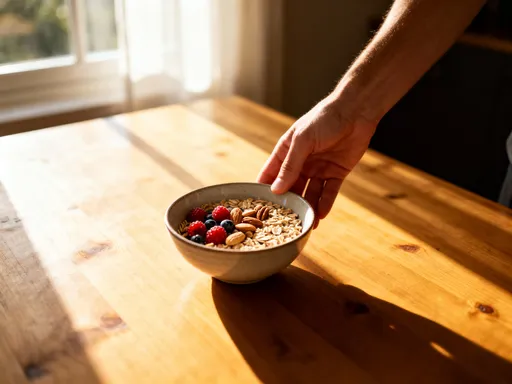
Pairing 1: Oats + Cinnamon – This became my go-to breakfast. Steel-cut oats are rich in beta-glucan, a type of soluble fiber that forms a gel in the gut, slowing carbohydrate digestion and preventing blood sugar spikes. Cinnamon, particularly Ceylon cinnamon, contains compounds that mimic insulin and improve glucose uptake by cells. Together, they create a powerful one-two punch for blood sugar control. A meta-analysis in the Journal of the Endocrine Society found that cinnamon supplementation significantly reduced fasting glucose and HbA1c levels in people with insulin resistance. I prepare this by cooking oats with water or unsweetened almond milk, stirring in a teaspoon of cinnamon, and topping with a few chopped walnuts for added healthy fats.
Pairing 2: Broccoli + Garlic – This duo supports the liver’s natural detox systems. Broccoli contains sulforaphane, a compound shown in clinical trials to reduce liver enzyme levels and improve liver function. Garlic is rich in allicin and sulfur compounds that enhance glutathione production. When I steam broccoli and toss it with minced raw garlic and a splash of apple cider vinegar, I’m not just making a tasty side dish—I’m activating pathways that help the liver process fats and toxins more efficiently. A study in the World Journal of Gastroenterology found that broccoli sprout extract reduced liver fat in patients with NAFLD over a 12-week period.
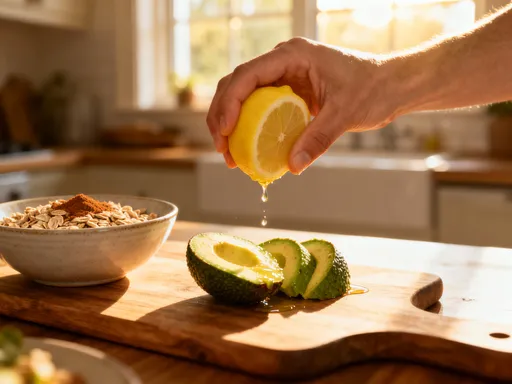
Pairing 3: Avocado + Lemon – This combination supports fat metabolism and antioxidant protection. Avocados are packed with monounsaturated fats and glutathione, while lemon provides vitamin C and citric acid, which supports bile production. Bile is essential for breaking down dietary fats and preventing their accumulation in the liver. I often slice avocado and squeeze fresh lemon juice over it, adding a pinch of sea salt. The vitamin C in lemon also helps recycle glutathione, making the antioxidant last longer in the body. This simple pairing became a staple in my lunches and helped reduce post-meal sluggishness.
Pairing 4: Greek Yogurt + Berries – This addresses the gut-liver connection. High-protein Greek yogurt contains probiotics that support a healthy gut microbiome, while berries—especially blueberries and blackberries—are rich in polyphenols that reduce inflammation and oxidative stress. A balanced gut means fewer endotoxins entering the portal vein and reaching the liver. I choose unsweetened yogurt to avoid added sugars and top it with a half-cup of mixed berries. Research in the British Journal of Nutrition shows that berry consumption improves liver enzyme profiles and reduces liver fat in overweight individuals.
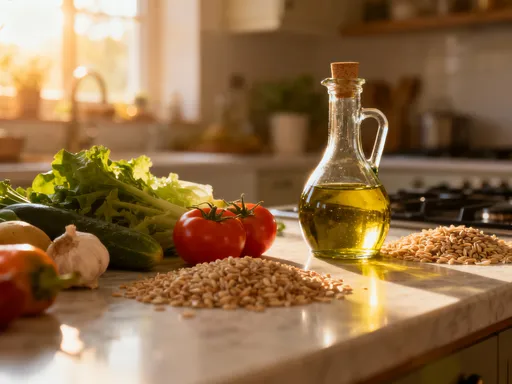
Pairing 5: Olive Oil + Leafy Greens – This enhances nutrient absorption and bile flow. Extra virgin olive oil is a cornerstone of the Mediterranean diet, known for its anti-inflammatory properties. When drizzled over spinach, kale, or arugula, it increases the uptake of fat-soluble antioxidants like lutein and beta-carotene. These compounds protect liver cells from oxidative damage. Additionally, the healthy fats in olive oil stimulate bile production, helping the liver process fats more efficiently. I make a simple salad with mixed greens, olive oil, lemon juice, and a few sunflower seeds for crunch. This meal became a reliable part of my dinner routine.
What to Avoid: Common Dietary Traps That Worsen Liver Fat
As I embraced these positive changes, I also became more aware of hidden pitfalls in my diet. Some foods I once considered healthy were actually contributing to my liver burden. The first revelation was the amount of added sugar in packaged foods. Granola bars, flavored yogurts, and even “natural” fruit juices can contain as much sugar as soda. A single serving of flavored yogurt may have 15–20 grams of sugar—equivalent to four teaspoons. That’s nearly the entire daily limit recommended by the American Heart Association for women.
Another major trap was refined carbohydrates. I used to eat whole wheat bread and pasta, thinking they were healthy. But unless they’re 100% whole grain with no added sugar, they behave like refined carbs in the body, causing rapid glucose spikes. White rice, instant oats, and baked goods made with white flour are quickly broken down into sugar, increasing insulin demand and liver fat storage. I learned to read labels carefully, looking for products with at least 3 grams of fiber per serving and no added sugars.
The worst offenders were combination meals that paired multiple liver-stressing ingredients. A classic example: a fast-food meal of fries and a soda. The fries are high in refined starch and unhealthy fats, while the soda delivers a massive fructose load. Together, they create a perfect storm for liver fat accumulation. Even seemingly innocent pairings—like a bagel with jam—can be problematic if both are high in refined carbs and sugar. I began to think of these combinations as “metabolic stress tests” for the liver.
Alcohol, even in moderate amounts, can also worsen fatty liver by increasing oxidative stress and impairing fat metabolism. While I didn’t drink heavily, I realized that even one or two glasses of wine a few times a week could be slowing my progress. I decided to eliminate alcohol temporarily to give my liver a full recovery window. These changes weren’t about deprivation; they were about making room for better choices. Every time I avoided a hidden sugar or refined carb, I felt like I was giving my liver a break.
Building a Sustainable Eating Pattern, Not a Diet
One of my biggest fears was falling into the cycle of restrictive dieting—starting strong, then burning out. I didn’t want to count calories or eliminate entire food groups. Instead, I focused on building a flexible, sustainable pattern based on the pairing principles I’d learned. The goal wasn’t perfection, but consistency.
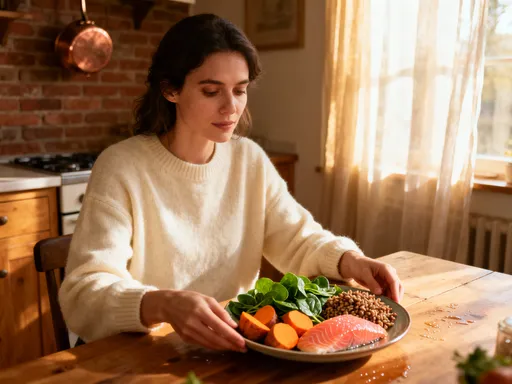
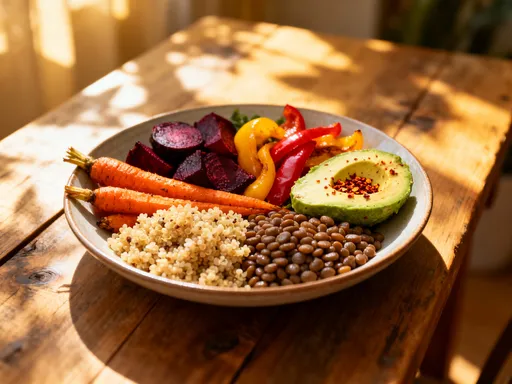
I started by designing simple meals around the five pairings. Breakfast might be oats with cinnamon and walnuts, or Greek yogurt with berries. Lunch often included a leafy green salad with olive oil, avocado, and lemon, plus a serving of grilled salmon or chicken. Dinner featured steamed broccoli with garlic, a small portion of quinoa, and a lean protein. Snacks were strategic: an apple with almond butter, or a handful of raw nuts and a few blueberries. These weren’t rigid rules—they were templates I could adapt based on what I had on hand.
Grocery shopping became easier once I focused on the perimeter of the store—produce, dairy, meats, and seafood—while minimizing trips down the processed food aisles. I began meal prepping on Sundays: cooking a batch of quinoa, roasting vegetables, and portioning out snacks. This reduced decision fatigue during busy weekdays. I also learned to listen to my body. If I felt hungry between meals, I asked myself: was it true hunger, or just habit? Often, a glass of water or a short walk was enough to reset.
Flexibility was key. I allowed myself occasional treats, but I made them mindful. If I wanted dessert, I’d choose a small piece of dark chocolate (70% cocoa or higher) with a few strawberries instead of a sugary pastry. This way, I didn’t feel deprived, and I still supported my liver health. Over time, my taste preferences changed. I craved less sugar and more whole foods. The shift wasn’t overnight, but it was real.
Progress, Not Perfection: Tracking Small Wins
I didn’t expect immediate results, but I did want to track progress. Instead of fixating on the scale, I paid attention to how I felt. Within four weeks, I noticed increased energy, especially in the afternoons when I used to crash. My digestion improved, and I felt less bloated. These were small but meaningful signs that my body was responding.
After three months, I had a follow-up blood test. My ALT and AST levels had dropped significantly—ALT from 98 to 52 U/L, well within the normal range. My fasting glucose and insulin levels also improved, indicating better metabolic health. My doctor was impressed and encouraged me to keep going. I also measured my waistline—down two inches—reflecting a reduction in visceral fat, which is closely linked to liver fat.
These changes didn’t happen because I followed a strict diet or exercised for hours. They came from consistent, science-backed food choices that supported my liver’s natural ability to heal. I learned that progress isn’t linear. Some weeks were better than others, but overall, the trend was positive. What mattered most was showing up every day with intention. I didn’t need to be perfect—just persistent.
The journey taught me that health isn’t about dramatic overhauls, but about daily choices that add up. My liver works for me 24/7, filtering toxins, producing bile, and regulating metabolism. The least I can do is return the favor with better food pairings that make its job easier. These habits aren’t temporary—they’re a lifelong commitment to feeling my best.