What Fixed My Energy Crashes? A Real Look at Smarter Eating Habits
You know that 3 p.m. slump—when your brain fog rolls in and coffee stops helping? I lived there for years. After endless fatigue and failed diets, I dug into how food truly affects energy, mood, and long-term health. It wasn’t about cutting calories. It was about eating smarter. This journey changed how I feel every single day—more steady, focused, and alive. Let’s explore what really works.
The Hidden Cost of Modern Eating
Many people accept fatigue, bloating, and mood swings after meals as just part of adult life. But these are not normal signs of aging or busy schedules—they are signals. The body is speaking, and it’s saying the modern way of eating is out of sync with how it functions. Meals high in refined carbohydrates, added sugars, and processed ingredients cause rapid shifts in energy and digestion. A sandwich made with white bread, a sugary yogurt, or a flavored latte might seem harmless, but each can trigger a chain reaction: a quick burst of energy followed by a crash, irritability, and cravings. These fluctuations happen daily for millions, often without awareness.
The consequences go beyond momentary discomfort. Over time, repeated blood sugar spikes contribute to insulin resistance, weight gain, and chronic inflammation—underlying factors in many long-term health issues. The digestive system, overwhelmed by low-fiber, high-sugar meals, struggles to maintain balance. Gut discomfort, irregular bowel movements, and sluggishness become routine. Yet, because these symptoms develop gradually, they’re rarely linked to food. Instead, people blame stress, aging, or lack of sleep. The truth is, the plate plays a central role in how we feel—not just physically, but mentally and emotionally.
Recognizing this hidden cost is the first step toward change. It’s not about labeling foods as “good” or “bad,” but about understanding cause and effect. When a meal consistently leaves you tired or unfocused, it’s not willpower that’s failing—it’s the meal. Shifting perspective from weight loss to energy stability, digestion, and mental clarity helps uncover what truly supports health. The goal isn’t restriction, but realignment. By seeing food as fuel and information for the body, smarter choices become not a chore, but a natural response to how you want to feel.
Why "Dieting" Doesn’t Fix Real Problems
For decades, the dominant approach to better health has been dieting—cutting out food groups, counting calories, or following extreme plans promising fast results. Yet, for most people, these efforts lead to short-term changes at best, followed by frustration and relapse. The reason is simple: most diets focus on appearance, not function. They target the scale, not the energy levels, digestion, or mood. And when the body is deprived of essential nutrients or subjected to rigid rules, it responds with increased hunger, fatigue, and metabolic slowdown. This creates a cycle of restriction and rebound that leaves people feeling worse than before.
The problem isn’t lack of discipline. It’s a flawed approach. Diets often eliminate entire food categories—like carbohydrates or fats—without considering their role in balanced health. Carbohydrates, for example, are not the enemy. The issue lies in the type and quality. Whole grains, legumes, and fruits provide energy and fiber, while refined versions like white bread and pastries cause instability. Similarly, healthy fats from nuts, seeds, and olive oil support brain function and satiety. Removing them can lead to dry skin, poor concentration, and increased cravings. Sustainable health isn’t built on elimination, but on inclusion—adding nutrient-dense foods that support the body’s daily needs.
Another flaw in traditional dieting is its all-or-nothing mindset. People believe they must be perfect or they’ve failed. This leads to guilt when a “forbidden” food is eaten, followed by overindulgence. But real progress happens in the middle ground—consistent, flexible choices that fit real life. Instead of asking, “Can I eat this?” a better question is, “How will this make me feel?” This shift—from rules to awareness—empowers people to make decisions based on how food affects their energy, digestion, and mood. The focus moves from short-term fixes to long-term well-being, where health is measured not by pounds lost, but by how alive and capable you feel each day.
Blood Sugar: Your Body’s Daily Compass
One of the most powerful tools for steady energy is blood sugar balance. Think of blood sugar as your body’s internal fuel gauge. When it’s stable, you feel alert, calm, and focused. When it spikes and crashes, you experience fatigue, irritability, brain fog, and cravings. These swings are not random—they are directly influenced by what you eat. Foods high in refined sugar or simple carbohydrates, like pastries, soda, or white rice, are quickly broken down into glucose, causing a rapid rise in blood sugar. The body responds by releasing insulin to bring levels back down. But too much insulin can cause blood sugar to drop too low, leading to the familiar afternoon crash.
The good news is, you can smooth out these fluctuations with food choices. Not all carbohydrates affect blood sugar the same way. The glycemic index measures how quickly a food raises blood glucose. Low-glycemic foods, such as oats, lentils, and most vegetables, release energy slowly. Pairing carbohydrates with protein, healthy fats, or fiber slows digestion even more, acting like a brake on sugar absorption. For example, eating an apple with a handful of almonds is more stabilizing than eating the apple alone. The fiber in the apple and the fat and protein in the almonds work together to prevent a spike.
Understanding this dynamic allows for smarter meal planning. Instead of avoiding carbohydrates altogether, the goal is to choose high-quality ones and combine them wisely. A breakfast of scrambled eggs with spinach and whole grain toast provides sustained energy better than a bowl of sugary cereal. Lunch with grilled chicken, quinoa, and roasted vegetables keeps focus sharp through the afternoon. These combinations support a steady insulin response, preventing the rollercoaster effect. Over time, stable blood sugar not only improves daily energy but also reduces the risk of metabolic issues like type 2 diabetes. It’s one of the most effective, science-backed ways to feel better from the inside out.
The Power of Meal Timing and Rhythm
When you eat is just as important as what you eat. The body operates on a natural daily rhythm called the circadian clock, which influences digestion, hormone release, and energy levels. Eating at irregular times—skipping breakfast, eating late at night, or grazing all day—can disrupt this rhythm. The digestive system expects food at certain times, and when signals are inconsistent, metabolism slows down, and blood sugar control weakens. This can lead to fatigue, poor sleep, and increased hunger the next day.
Establishing a consistent eating schedule helps the body anticipate and prepare for meals. Eating breakfast within a few hours of waking signals the start of the day’s metabolic activity. Regular meals spaced every 4 to 5 hours keep energy steady and prevent extreme hunger, which often leads to overeating or poor choices. Even the timing of the last meal matters. Eating dinner too late can interfere with sleep quality, as the body is still digesting when it should be resting. Aiming to finish eating at least 2 to 3 hours before bedtime supports both digestion and restful sleep.
This doesn’t mean rigid meal times or skipping food when hungry. Flexibility is key. The goal is rhythm, not rigidity. For example, if dinner is later one night, a lighter meal can help. The focus is on creating a pattern that supports the body’s natural flow. Over time, this consistency improves digestion, stabilizes appetite, and enhances energy. It’s like setting a daily rhythm your body can trust—knowing when to expect fuel, when to burn it, and when to rest. This subtle shift often leads to fewer cravings, better sleep, and a greater sense of control over eating habits.
Fiber, Fat, and Protein: The Forgotten Trio
Modern nutrition advice often isolates single nutrients—low-fat, low-carb, high-protein—but real health comes from balance. The most effective meals combine three key elements: fiber, healthy fats, and protein. Each plays a unique role, and together, they create meals that satisfy hunger, stabilize energy, and support long-term well-being. Fiber, found in vegetables, fruits, legumes, and whole grains, slows digestion and feeds beneficial gut bacteria. A healthy gut microbiome is linked to better immunity, mood regulation, and reduced inflammation.
Healthy fats—such as those in avocados, nuts, seeds, and olive oil—are essential for brain health, hormone production, and absorbing fat-soluble vitamins. They also add richness to meals, increasing satisfaction and reducing the urge to snack. Protein, from sources like eggs, fish, beans, tofu, or chicken, supports muscle maintenance and keeps you feeling full longer. Unlike carbohydrates, protein has a minimal effect on blood sugar, making it a stabilizing force in any meal.
When these three work together, the result is powerful. A bowl of lentil soup with a drizzle of olive oil and a slice of whole grain bread provides sustained energy, unlike a plain sandwich on white bread. A smoothie with spinach, banana, chia seeds, and Greek yogurt is more filling and balanced than one made with fruit juice and flavored yogurt. These combinations don’t just prevent crashes—they build resilience. Over time, meals built on this trio support better digestion, clearer thinking, and a more stable mood. They turn eating from a source of stress into a source of strength.
From Theory to Plate: Building Balanced Meals
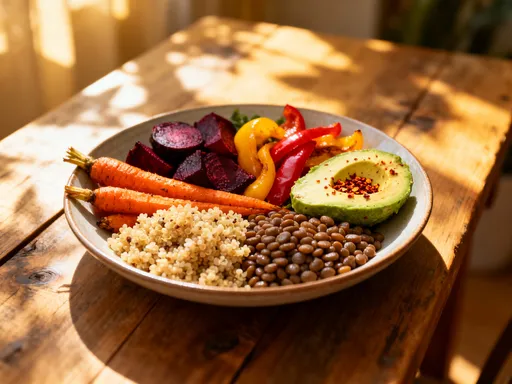
Knowing what to eat is one thing—putting it on the plate is another. The transition from knowledge to action requires simple, flexible frameworks. A balanced meal doesn’t need a recipe; it needs a pattern. One effective approach is the plate method: fill half your plate with non-starchy vegetables, one-quarter with lean protein, and one-quarter with whole grains or starchy vegetables. Add a small portion of healthy fat, like a few slices of avocado or a drizzle of olive oil. This visual guide makes it easy to create meals that support energy and digestion without counting calories or weighing portions.
For breakfast, try oatmeal made with water or milk, topped with berries, a spoonful of nut butter, and a sprinkle of chia seeds. The oats provide slow-digesting carbohydrates, the berries add fiber and antioxidants, the nut butter contributes healthy fat, and the chia seeds offer protein and more fiber. This meal keeps energy steady far better than a muffin or sugary cereal. For lunch, a salad with mixed greens, grilled chicken, chickpeas, cucumbers, tomatoes, and a vinaigrette made with olive oil offers a powerful mix of nutrients. The fiber from the vegetables and chickpeas, the protein from the chicken, and the fat from the dressing work together to prevent the post-lunch slump.
Dinner can be just as simple. Baked salmon with roasted sweet potatoes and steamed broccoli provides a balance of protein, complex carbs, and fiber. Stir-fried tofu with brown rice, bell peppers, and broccoli in a light soy-ginger sauce is another satisfying option. The key is variety and consistency. It’s not about eating perfectly every day, but about making better choices more often. Even small changes—like swapping white rice for brown rice or adding a handful of spinach to a meal—add up over time. The goal is progress, not perfection.
Long-Term Gains: How Small Shifts Add Up
Sustainable health isn’t the result of a single transformation. It’s built through small, consistent changes that become habits. One better meal a day creates momentum. Over weeks and months, those choices lead to noticeable improvements: fewer energy crashes, better digestion, clearer thinking, and a more stable mood. These benefits reinforce each other. When you feel better, you’re more likely to make another good choice the next day. This positive cycle replaces the frustration of failed diets with the quiet confidence of real progress.
The shift isn’t just physical. Eating with intention fosters a deeper connection to your body. You begin to notice how different foods affect you—not just immediately, but over time. You learn to distinguish true hunger from emotional eating or habit. This awareness doesn’t come overnight, but with practice, it becomes second nature. Meals become moments of care, not just consumption. This mindset shift—from dieting to nourishing—is what makes change last.
Ultimately, smarter eating isn’t about following a trend or fitting into a smaller size. It’s about feeling your best every day. It’s about having the energy to play with your children, focus at work, or enjoy a walk without fatigue. It’s about building a foundation of health that supports everything else in life. When food is seen as a source of strength and stability, the choices become easier. One meal at a time, you’re not just eating—you’re investing in a more vibrant, resilient version of yourself. And that’s a promise worth keeping.