Hair That Glows: How Movement Transformed My Scalp Health
Ever noticed how a good workout leaves your skin glowing—but what about your hair? I used to think hair care ended at the shower cap. Then I started moving more, and everything changed. Stronger strands, less shedding, even new growth. Turns out, blood flow and hormonal balance from regular movement deeply nourish hair from within. This isn’t magic—it’s science. And in this honest share, I’ll walk you through how exercise quietly became my most powerful haircare routine.
The Hair Dilemma No One Talks About
For many women, especially between the ages of 30 and 55, changes in hair texture, volume, and growth rate can be quietly distressing. You might notice more strands on your brush, a thinner ponytail, or a lackluster shine that no conditioner seems to fix. These concerns are often dismissed as inevitable signs of aging or blamed on genetics. But what if the root cause—literally—lies deeper than DNA or shampoo choice? Increasing evidence suggests that physical inactivity plays a significant role in compromised scalp health. Just as a sedentary lifestyle affects heart function, digestion, and energy levels, it can also impair the delicate environment where hair grows.
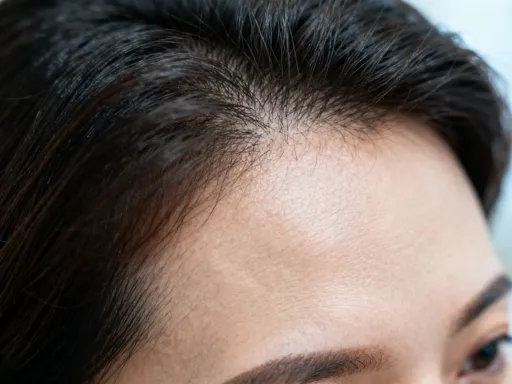
Common signs of poor scalp wellness include persistent dryness, flakiness, itchiness, and increased shedding. While topical treatments like oils and serums offer temporary relief, they don’t always address the underlying conditions that weaken follicles over time. When circulation slows and stress hormones rise, hair growth can stall. Many women don’t realize that their daily routines—long hours at a desk, limited physical activity, chronic stress—may be contributing to these issues. The scalp, like any other part of the body, thrives on oxygen, nutrients, and hormonal stability. Without them, even the most expensive hair products may fall short.
What makes this dilemma so overlooked is that hair health is rarely discussed in the context of overall wellness. Dermatologists may recommend topical solutions, and stylists focus on appearance, but few connect the dots between lifestyle habits and follicle function. Yet, the body operates as an interconnected system. When one area suffers, others often follow. Recognizing hair changes as potential signals of internal imbalance—rather than cosmetic flaws—can be the first step toward meaningful improvement. And one of the most accessible, science-backed ways to support hair from within is through regular physical movement.
Why Hair Needs More Than Serums: The Biology of Growth
To understand how movement influences hair, it’s essential to recognize that hair is not just dead protein emerging from the scalp—it begins as a living structure. Each strand grows from a hair follicle, a dynamic organ embedded in the skin that undergoes continuous cycles of growth, rest, and renewal. These cycles are known as the anagen (growth), catagen (transition), and telogen (resting) phases. During anagen, which can last two to seven years, cells in the follicle divide rapidly, fueled by a steady supply of oxygen and nutrients delivered through tiny blood vessels. This phase determines both the length and strength of hair.
When blood flow to the scalp is reduced, follicles receive fewer nutrients and less oxygen. Over time, this can shorten the anagen phase, leading to thinner, weaker hair and a longer resting phase. Eventually, some follicles may become dormant, contributing to visible thinning. Topical treatments can improve surface conditions—moisturizing the scalp or protecting the hair shaft—but they cannot compensate for poor internal support. Without adequate circulation, even the most advanced serums struggle to make a lasting difference.
The key player in this process is microcirculation: the flow of blood through the smallest vessels in the body, including those surrounding hair follicles. Studies have shown that improved microcirculation correlates with increased hair density and growth rate. For example, research using laser Doppler imaging has demonstrated that individuals with healthy scalp circulation tend to have stronger, fuller hair. Conversely, those with poor circulation—often due to age, stress, or inactivity—show signs of slowed growth and increased shedding. This doesn’t mean hair loss is inevitable, but it highlights the importance of supporting the body’s natural systems.
Nutrients like iron, zinc, biotin, and protein are essential for hair growth, but they must be delivered effectively. Think of the follicle as a garden: no matter how rich the soil or how good the seeds, plants won’t thrive without water and sunlight. In the same way, hair needs consistent nourishment from within. Movement helps ensure that this nourishment reaches its destination. By enhancing circulation, exercise creates the internal conditions necessary for hair to grow strong, resilient, and vibrant.
Exercise and the Scalp: The Circulation Connection
Physical activity is one of the most effective ways to boost circulation throughout the body, including the scalp. When you move—whether walking, dancing, or cycling—your heart rate increases, pumping oxygen-rich blood to muscles, organs, and tissues. This improved blood flow doesn’t stop at the skin’s surface; it extends to the capillaries that feed hair follicles. Even moderate exercise can enhance microcirculation, creating a more favorable environment for hair growth.
Aerobic activities, in particular, have been shown to support vascular health. Brisk walking for 30 minutes a day, five times a week, is associated with better overall circulation. Over time, this consistent movement helps maintain the elasticity of blood vessels and improves their ability to deliver nutrients efficiently. While direct studies on exercise and hair growth are limited, general research on tissue oxygenation confirms that physical activity increases blood flow to the skin and subcutaneous layers—where follicles reside. This means more oxygen, more nutrients, and better waste removal, all of which support healthy follicle function.
One common misconception is that only intense workouts produce results. In reality, consistency matters more than intensity. A daily 20-minute walk can be more beneficial for scalp health than an occasional high-intensity session. The goal is to establish a routine that keeps the cardiovascular system active without causing stress or burnout. Over time, this steady increase in circulation can lead to noticeable improvements in hair texture, reduced shedding, and even new growth along the hairline or part.
Another benefit of regular movement is its effect on capillary density. Some studies suggest that endurance training can stimulate the formation of new capillaries in tissues, a process known as angiogenesis. While most research focuses on muscles, the principle applies to other areas with rich vascular networks, including the scalp. More capillaries mean more pathways for nutrients to reach follicles, increasing their chances of staying in the growth phase longer. This is especially important as we age, when natural circulation tends to decline.
Balancing Hormones Naturally Through Movement
Hormones play a powerful role in hair health, and physical activity is one of the most effective natural tools for keeping them in balance. Two hormones in particular—cortisol and androgens—can significantly impact hair growth when present in excess. Cortisol, the body’s primary stress hormone, rises during periods of chronic stress. Elevated cortisol levels have been linked to inflammation, disrupted sleep, and hormonal imbalances—all of which can contribute to hair thinning. Over time, high cortisol can shorten the anagen phase and push more follicles into the resting phase, leading to increased shedding.
Regular exercise helps regulate cortisol by improving the body’s stress response. Both aerobic and strength-training activities have been shown to lower baseline cortisol levels over time. Exercise also stimulates the release of endorphins, which help reduce perceived stress and promote emotional well-being. This dual effect—lowering stress hormones while boosting mood-enhancing chemicals—creates a more balanced internal environment where hair can thrive.
Androgens, such as dihydrotestosterone (DHT), are another factor in hair health. While often associated with male-pattern hair loss, women also produce androgens, and imbalances can lead to thinning, especially at the crown or part line. Exercise helps modulate androgen levels by improving insulin sensitivity and supporting overall endocrine function. Strength training, in particular, has been shown to promote hormonal balance by increasing muscle mass and reducing body fat, both of which influence hormone metabolism.
It’s important to note that extreme exercise—such as overtraining or excessive cardio—can have the opposite effect, potentially increasing cortisol and disrupting hormonal balance. The key is moderation. A balanced routine that includes a mix of cardio, strength, and rest supports the body’s natural rhythms without pushing it into stress mode. For women in midlife, when hormonal shifts are common due to perimenopause or menopause, this balanced approach is especially valuable. Movement becomes not just a way to manage weight or energy, but a foundational practice for maintaining hair health.
Sweat, Sebum, and Scalp Cleansing: A Natural Reset
Sweating is often seen as something to be washed away quickly, but in moderation, it plays a beneficial role in scalp health. Sweat helps clear pores and remove buildup from the skin’s surface, including the scalp. When you exercise, sweat glands activate, releasing fluids that carry away dead skin cells, excess sebum, and environmental pollutants. This natural cleansing process can help prevent clogged follicles, which are a common cause of irritation, inflammation, and even temporary hair loss.
Sebum, the oily substance produced by sebaceous glands, is essential for protecting the scalp and hair. But when produced in excess—or when not properly cleared—it can accumulate and block follicles. Regular, moderate sweating helps regulate sebum production by keeping glands active and preventing stagnation. Think of it as a gentle internal rinse that supports the scalp’s natural balance. Unlike harsh cleansers that strip oils completely, sweating allows for a more gradual, physiological reset.
However, the benefits depend on proper post-workout hygiene. Leaving sweat on the scalp for extended periods—especially if combined with hair products or pollution—can create a breeding ground for bacteria and lead to irritation. The solution isn’t to avoid sweating, but to rinse or wash the scalp gently after exercise. A quick lukewarm rinse with water is often enough to remove salt and debris. For those with longer or thicker hair, a mild, sulfate-free shampoo used two to three times a week can maintain cleanliness without over-drying.
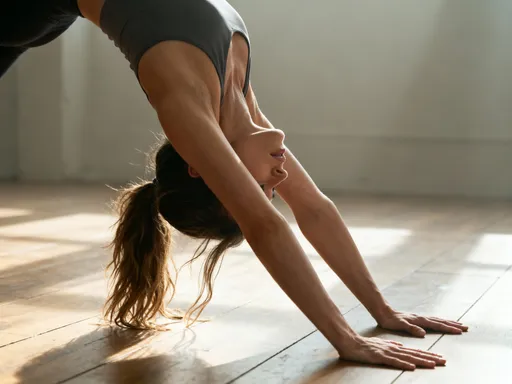
Yoga and inversion poses, such as downward dog or legs-up-the-wall, may offer additional benefits by temporarily increasing blood flow to the head. While more research is needed, many women report improved scalp sensation and reduced tension after practicing these movements. Combined with gentle scalp massage—either during washing or as a separate practice—these habits create a holistic approach to follicle care. The result is a cleaner, more balanced scalp environment where hair can grow stronger and healthier.
Types of Movement That Support Hair Health
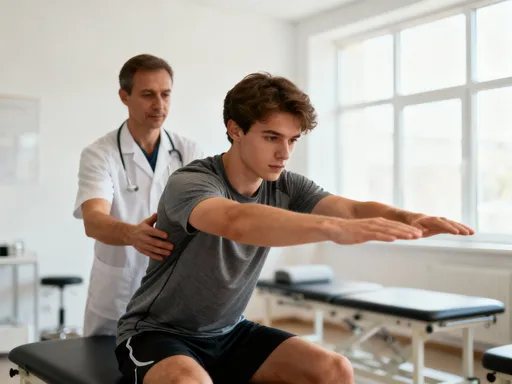
Not all forms of exercise deliver the same benefits for hair, but the good news is that a variety of activities can contribute to better scalp health. The most effective routines combine cardiovascular exercise, strength training, and stress-reducing movement. Each type plays a unique role in supporting circulation, hormone balance, and overall wellness.
Cardiovascular exercise—such as brisk walking, swimming, or cycling—is particularly effective at boosting circulation. These activities increase heart rate and promote blood flow throughout the body, including to the scalp. Aim for at least 150 minutes of moderate-intensity cardio per week, broken into 30-minute sessions five days a week. Even a daily walk around the neighborhood can make a difference. The key is consistency. Over time, regular cardio strengthens the heart and improves vascular efficiency, creating a steady supply of nutrients to hair follicles.
Strength training supports hair health by building lean muscle, improving metabolism, and regulating hormones. Lifting weights, using resistance bands, or doing bodyweight exercises like squats and push-ups two to three times a week can help maintain healthy androgen levels and reduce body fat, which influences hormone balance. Strength training also increases insulin sensitivity, which is important because insulin resistance has been linked to hair thinning in some women. You don’t need heavy weights or a gym membership—simple home routines can be just as effective.
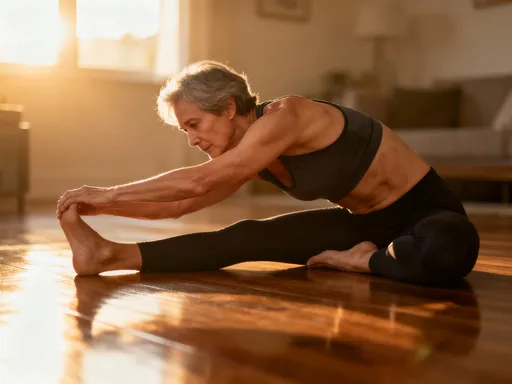
Yoga and stretching offer a different kind of benefit: stress reduction. Chronic stress is a major contributor to hair issues, and practices that calm the nervous system can have a profound effect. Yoga, tai chi, or even 10 minutes of daily stretching can lower cortisol levels, improve sleep, and enhance posture—all of which support better blood flow to the head. Certain poses, like forward bends or inversions, may temporarily increase circulation to the scalp, though the primary benefit lies in their ability to promote relaxation and balance.
The ideal routine includes a mix of these elements. For example, a weekly plan might include three days of walking, two days of strength training, and daily stretching or yoga. The goal is not perfection, but sustainability. Movement should feel like self-care, not punishment. When exercise becomes a regular, enjoyable part of life, its benefits extend far beyond hair—they touch every aspect of health and well-being.
Building a Sustainable Routine: Small Steps, Big Results
Lasting change doesn’t come from drastic overhauls, but from small, consistent actions. For women juggling family, work, and personal responsibilities, finding time to exercise can feel overwhelming. The solution is not to aim for hours at the gym, but to integrate movement into daily life in realistic, manageable ways. Start with just 20 minutes a day—enough to boost circulation without causing fatigue. A morning walk, a lunchtime stretch, or an evening dance session with music you love can all count.
Begin by setting achievable goals. Instead of aiming for six workouts a week, start with three. Use a calendar or habit tracker to mark progress. Pair movement with something enjoyable—listen to a podcast while walking, practice yoga in front of a window with natural light, or involve a friend for accountability. The more positive the experience, the more likely it is to become a habit.
Incorporate scalp-friendly practices alongside exercise. After a workout, take a few minutes to rinse your scalp or wash your hair gently. Once or twice a week, try a five-minute scalp massage using fingertips in circular motions. This not only feels relaxing but may further stimulate blood flow. Use natural oils like coconut or jojoba if desired, but avoid heavy products that can clog pores.
Patience is essential. Hair grows slowly—about half an inch per month—and changes take time. It can take three to six months of consistent movement before noticeable improvements appear. During this time, focus on subtle wins: less shedding, stronger strands, a healthier scalp feel. These are signs that the internal environment is improving. Avoid comparing your progress to others; everyone’s body responds differently.
Remember, movement is not just about appearance. It’s a form of self-respect, a daily commitment to nurturing your body from within. When you move regularly, you’re not just supporting your hair—you’re supporting your heart, your mood, your energy, and your long-term health. The benefits compound over time, creating a foundation for vitality at any age.
Move for More Than Muscles
Hair health is not an isolated concern—it reflects the state of your overall well-being. When you prioritize movement, you’re doing more than shaping your body; you’re creating the internal conditions where strong, vibrant hair can flourish. Improved circulation delivers nutrients to follicles, balanced hormones reduce shedding, and natural cleansing supports a healthy scalp. These changes don’t happen overnight, but they are real, measurable, and within reach.
Exercise is not a miracle cure, but it is a powerful, accessible tool. You don’t need expensive treatments or extreme diets. What you need is consistency, patience, and a willingness to listen to your body. By treating movement as an act of care rather than a chore, you honor your health in the deepest sense. And as your hair begins to respond—growing stronger, shinier, more resilient—you’ll realize that true beauty starts from the inside out.